Get Full Government Meeting Transcripts, Videos, & Alerts Forever!
Get email alerts on the Criminal Appeals topic
No spam. Unsubscribe anytime.
Court of Appeals hears challenge to obstruction conviction over missing unanimity instruction and witness unavailability
Summary
The Utah Court of Appeals heard oral argument in State v. Medina on whether trial counsel was ineffective for failing to request a unanimity instruction on an obstruction charge and whether the trial court properly found a key witness unavailable under Utah Rule of Evidence 804.
The Utah Court of Appeals heard oral argument in State v. Medina on whether trial counsel was ineffective for failing to request a unanimity instruction on an obstruction charge and whether the trial court properly found a key witness unavailable under Utah Rule of Evidence 804.
Appellant counsel Rachel Phillips Zainzkopf told the three-judge panel that trial counsel’s omission was unreasonable because the state presented multiple, discrete acts that could each have supported the obstruction count and the jury was never asked to be unanimous about which act it relied on. "It was unreasonable for counsel to ask for an instruction that the jury be unanimous as to the specific act," Zainzkopf said, urging that omission risked conviction on an undistinguished bundle of acts rather than a single agreed-upon act.
Deputy Salt Lake County attorney Daniel Boyer, arguing for the State, said the defense decision not to request a unanimity instruction was a plausible trial tactic to avoid amplifying multiple alleged acts for jurors. "Medina's arguments target isolated pieces of the large evidentiary mosaic," Boyer said, adding the record contained “ample evidence” supporting the obstruction and murder findings, including the defendant’s inconsistent police statements, texts about removing a bag, and other acts the prosecutor described at trial.
The panel also questioned whether the State met the "reasonable means" element of Rule 804 for proving a witness, identified in the record as Robledo, was unavailable after deportation. Zainzkopf argued the State did not sufficiently pursue local investigative avenues — for example, contacting the witness's wife in person — given social-media posts and photographs suggesting he might be in the United States. Boyer responded that the State's efforts — including calls to a rural payphone, paying the phone card used there and preparing to buy a plane ticket — were reasonable in light of evidence that Robledo had been deported to a remote Mexican village.
Judges pressed both sides on the legal standards. They explored whether counsel's failure to request unanimity could be excused as a strategic choice when a prosecutor aggregates multiple acts in closing, how courts assess prejudice under Strickland v. Washington, and whether a trial court's finding that a witness is unavailable warrants appellate deference under the abuse-of-discretion standard. The court cited and discussed precedent the parties relied on, including cases the briefs referenced by name during argument.
After extensive questioning of counsel, the panel told the parties it would take the matter under advisement and issue a written opinion.
The appeal raises two legal questions of broader consequence: when an attorney must request a jury unanimity instruction if a single count rests on several possible acts, and how widely courts should apply the "reasonable means" test when a witness has been deported. The Court of Appeals' forthcoming written decision will address those standards and the record-specific factual disputes in Medina's trial.
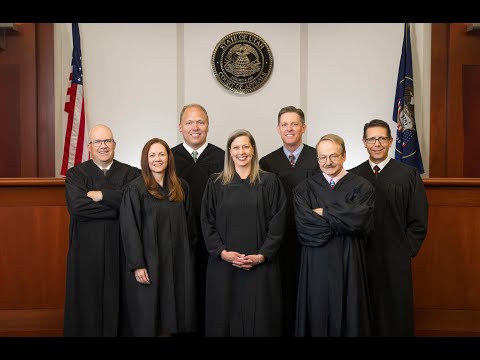
The panel for this argument was presided over by Michelle Christensen Forrester, with Judges Ryan Tenney and Amy Oliver sitting on the panel. The court heard argument on the record and will issue a written decision.