Get Full Government Meeting Transcripts, Videos, & Alerts Forever!
Get email alerts on the Education Inclusion topic
No spam. Unsubscribe anytime.
Panelists urge project-based learning, universal design and teacher training to make education more inclusive for autistic students
Summary
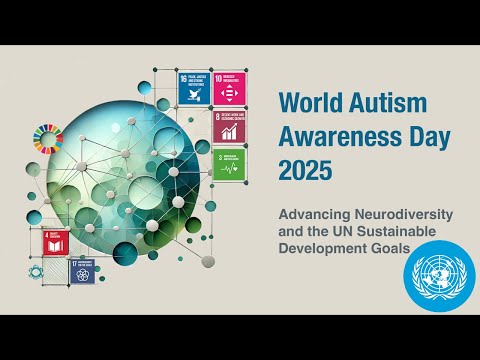
International panelists at a World Autism Awareness Day session recommended project-based learning, universal design for learning, earlier accommodations and mandatory teacher training to improve outcomes for autistic students across schools and higher education.
A panel on inclusive education convened during the United Nations World Autism Awareness Day underscored project-based learning, universal design for learning and mandatory training for educators as immediate steps to make classrooms more accessible for autistic students. Panelists argued schools should normalize accommodations, start inclusion earlier and use technology and flexible teaching methods to meet diverse needs.
The panel — moderated by Hazlin Ahmed — included Catherine Guimard (founder, ION France), Mesa Obaid (panelist, UAE), Pallavi Malik (special-education practitioner, UAE), Ayenwole Poluwatife Joshua (diversity advocate, Nigeria), Alia Bouli (ION South Africa), Natasha von Staden (ION South Africa) and a panelist identified as Maisa who spoke on assistive technology. “Project-based learning…is very inclusive and includes everyone,” said Catherine Guimard, proposing cross-continent projects that blend subjects and life skills. Panelists repeatedly called for training across staff, parents and students so accommodations become routine rather than exceptional.
Why it matters: panelists said current curricula and school norms—long days, lecture-focused classrooms and a one-size-fits-all approach—leave many autistic students excluded or underused. They argued that changes in pedagogy and school processes can improve social and academic outcomes without segregating students. Pallavi Malik and others emphasized sensory-friendly classrooms, assistive technology, and flexible instruction to support learning differences.
Details from the panel: speakers described specific classroom and system changes that can be implemented now. Mesa Obaid recommended schools publish simple accessibility statements and social-media representation so parents can identify supportive schools during enrollment. Joshua urged development of personalized learning plans, accessible mentorship and on-site mental-health supports at universities and schools. Natasha von Staden and Alia Bouli highlighted predictable routines, transition plans between school stages and mandatory, ongoing autism training for teachers.
Technology and training: Maisa (technology panelist) noted improvements in mainstream operating systems and apps — for example, Microsoft’s Immersive Reader and built-in speech-to-text — that can provide multiple assistive functions on one device, reducing stigma and cost. Panelists cautioned that assistive tools require planned, individualized rollouts and teacher coaching rather than one-off deployments.
Panel recommendations and next steps: top-level recommendations were (1) adopt project-based curricula and universal design for learning; (2) require and fund ongoing autism-specific training for educators; (3) normalize AAC and assistive technologies across school environments; (4) create advisory panels including autistic people and families; and (5) build clearer transition plans from school to higher education or employment.
The panel framed inclusion as systemic rather than accommodation-only: several speakers asked education authorities and school leaders to involve autistic people and parents directly in policy and curriculum design to avoid decisions made “about” rather than “with” the students they affect.
Looking ahead: panelists invited government, school systems and civil-society partners to convene roundtables and pilot projects that put these recommendations into practice. Guimard said she would welcome sitting on roundtables with government officials to discuss implementation.