Get Full Government Meeting Transcripts, Videos, & Alerts Forever!
Get email alerts on the Housing Investors topic
No spam. Unsubscribe anytime.
Bill to limit large institutional home ownership and restrict some foreclosures draws mixed reaction
Summary
Representative Bell introduced HB 403, proposing limits on large institutional single‑family home ownership, judicial foreclosure protections for some vulnerable homeowners, and restrictions on HOA foreclosure powers.
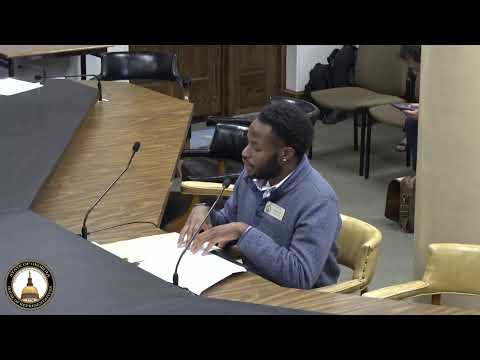
Representative Bell presented House Bill 403, which he described as the "Georgia Dream and Senior Protect Home Protection Act," saying the measure would address institutional investors, foreclosure protections for vulnerable homeowners and limits on homeowner association foreclosure powers.
"What this does is provide the American dream for all Georgians," Representative Bell told the Judiciary Committee. As presented, he said the bill would apply to large real‑estate investment companies that own 10,000 single‑family investment homes or hold roughly $25 million in property value, would require a judicial foreclosure process in certain cases involving elderly or incapacitated homeowners, and would prohibit homeowner associations from foreclosing on individual homeowners.
Supporters including Representative Spencer Frey and tenant‑advocacy witnesses said investor concentration and rapid rent increases have harmed housing stability. Frey told the committee he has studied the issue and described how institutional purchases since 2008 have removed housing supply from owner‑occupants and local investors, transferring rental income out of local economies.
"When institutional investors start buying up these houses ... the prices of our housing goes up," Frey said, and he linked high housing costs to reduced local spending and strain on schools and families.
Opponents and several attorneys warned the measure could produce unintended consequences. Matt Totten and commercial real‑estate attorney Amy Huskins said key sections, especially provisions that would require judicial foreclosure or create age‑based exceptions, could clog superior courts and unintentionally disrupt commercial real‑estate lending and routine foreclosure processes. Huskins told the committee the bill "does not work for commercial real estate at all" and warned it would "kill commercial real estate transactions in Georgia" without a commercial carve‑out.
Other witnesses, including advocates from the Housing Justice League and neighborhood organizers, described concentrated ownership of single‑family rentals in metro Atlanta and urged legislative action to curb investor behavior.
The hearing included debate over whether statutory caps or ownership thresholds were the right mechanism. Industry witnesses cautioned that caps or ownership restrictions could remove professionally managed housing from low‑margin markets, raising maintenance and safety risks.
There was no committee vote on HB 403. Representative Bell said he will continue working with stakeholders to refine the bill.
Ending: Sponsor and opponents agreed to additional discussions over the interim; committee took no action at this session.