Get Full Government Meeting Transcripts, Videos, & Alerts Forever!
Get email alerts on the Housing Rent Control topic
No spam. Unsubscribe anytime.
House committee hears bill to ban algorithmic rent‑setting amid DOJ investigations
Summary
Lawmakers heard testimony supporting House Bill 679, the End Rental Price Fixing Act, which would bar landlords from using algorithmic software to set rents in ways the bill’s sponsor and witnesses say can amount to collusion. Supporters cited Justice Department actions and academic studies; opponents warned of definitional and enforcement risks.
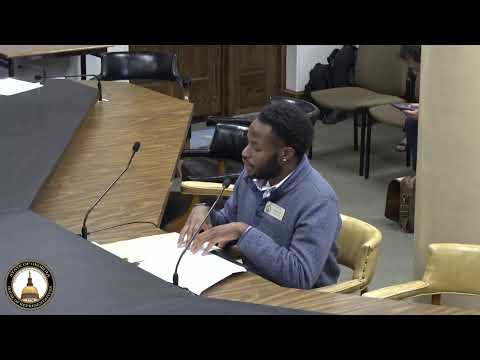
Representative Gabriel Sanchez, sponsor of House Bill 679, told the House Judiciary Committee that the bill would ban the use of algorithmic software that helps set rental prices when the software is used by multiple landlords in the same market.
"They created an algorithmic software to set rental prices, and they sell that software to landlords competing in the same market," Representative Gabriel Sanchez said, describing allegations centered on RealPage and related platforms. "This bill ... codifies into law that this practice of using algorithmic software ... cannot be used to set rental prices."
The bill, as presented, would invalidate contracts that use software to recommend rents across landlords in the same market and includes a carve‑out for federal, state or local affordable‑housing programs.
Why it matters: witnesses told the panel the practice can raise rents and harm low‑income renters. Kimberly Diemer, a resident identified in testimony as a concerned citizen, appealed to members' sense of fairness and dignity: "HB 679 presents a crucial opportunity to take a stand against the price fixing practices that disproportionately affect working families," she said.
Frank Beauvais, a retired epidemiologist who cited academic and federal reports, linked rising rents to worse health outcomes for tenants. "When rents rise, health related spending is crowded out," Beauvais said, summarizing research that associates higher housing costs with delayed care and greater stress.
Speakers representing tenant and housing‑justice groups described local impacts. Nathan Justice of Housing Justice League said he had been personally affected and that, according to allegations in the Department of Justice action, companies including Greystar and Camden shared leasing and renewal information. "I've been a victim of this collusion," Justice said.
Industry and real‑estate witnesses urged caution about the bill's language. Jeff Ledford of the Georgia Realtors said the bill's definition of a "price‑fixing function" could sweep in ordinary market research. He warned that using publicly available historical pricing or market data, or advising a prospective investor based on that data, "could put me in violation of this," he said, and urged refinement to avoid unintentionally criminalizing standard business practices.
Representative Sanchez answered that the bill requires three elements before a violation would occur: the collection of data, computational analysis using machine‑learning or similar software, and recommendations of specific rental prices or renewal terms to landlords. "You have to meet all three of those in order for it to be a violation," he said.
There was no committee vote on HB 679 at the hearing; the bill was presented for review and public comment.
Ending: Committee members said they would continue discussions over the coming weeks; sponsors and stakeholders signaled an intention to work on definitions and carve‑outs aimed at targeting coordinated algorithmic pricing while trying to avoid unintended consequences for ordinary market analysis.