Kernersville aldermen adopt resolution opposing state bills that would limit local land‑use authority
Loading...
Summary
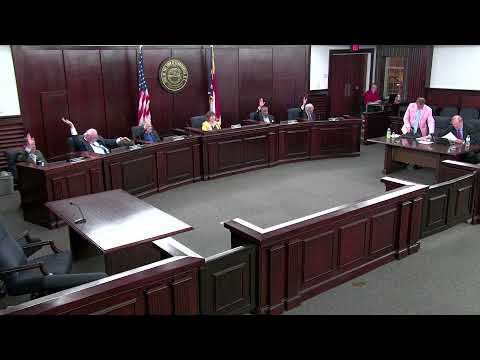
At a regularly scheduled meeting, the Kernersville Board of Aldermen unanimously adopted a resolution opposing four state bills that board members said would remove local control over zoning, require middle‑housing allowances across residential zones, and expose individual elected officials to personal liability.
The Kernersville Board of Aldermen voted unanimously to adopt a resolution opposing four recently filed North Carolina bills that board members and staff said would sharply restrict municipal land‑use authority and change the way zoning cases are decided.
Town staff described the measures as a package that would expand by‑right residential development, require “middle housing” in residential zones, and impose procedural changes that would turn most zoning decisions into quasi‑judicial hearings. Town Attorney Keith Powell cautioned that the bills would reduce ordinary citizens’ ability to speak during zoning hearings and shift the burden to paid expert testimony.
“At least one of the bills would require the siting of middle housing structures in all residential zones,” Town Manager Mister Swisher said during the board’s remarks. “Senate bill 499 is an act to allow by‑right residential development and use in all areas zoned commercial.” Swisher told the board staff had drafted a resolution and two letters for the mayor to send to the town’s state delegation.
Powell explained the procedural consequences the bills would create. “Quasi‑judicial, for those you do not who do not know, is like a jury. You cannot talk to either side before or during until after you’ve made a decision,” he said. Powell and several aldermen warned that requiring quasi‑judicial proceedings for routine rezoning would favor applicants able to pay for expert witnesses and make it harder for neighborhood residents to participate.
Board members highlighted other statutory language that alarmed them: provisions the town attorney said would (1) prevent local governments from conditioning approvals beyond what state law expressly authorizes, (2) prohibit some uses of comprehensive plans in evaluating rezonings, (3) bar local parking minimums in many cases, and (4) authorize courts to award attorneys’ fees and even pierce public‑official immunity in some successful legal challenges. “If the court finds that an elected official’s act was fraudulent, unlawful, arbitrary and capricious, beyond the scope of statutory authority, or malicious or corrupt, the defenses of public official immunity, legislative immunity, and judicial immunity are waived,” Swisher read from the draft.
Alderman Apple described the package as a fundamental shift in local governance: “This is taking away all the power to govern to protect the citizens that elect us,” he said. Several board members urged residents to contact state lawmakers and called for broad distribution of the town’s adopted resolution.
The board approved the staff‑prepared resolution and asked staff to distribute the resolution and the mayor’s accompanying letters to the town’s legislative delegation and to the broader set of General Assembly members. Staff said it would also post an informational summary on the town’s channels and notify local media to help citizens contact their representatives.
Why it matters: Board members said the bills, if enacted, would limit a municipal body’s discretion over development approvals, reduce public participation in zoning decisions, and could increase legal risk for individual elected officials. The board framed the action as a procedural defense of local planning tools rather than a position on any particular development.
Members of the public and staff on the dais requested copies of the resolution and related materials; the mayor and town attorney said they would be circulated and posted once finalized.