Get Full Government Meeting Transcripts, Videos, & Alerts Forever!
Get email alerts on the Public Facilities Privacy topic
No spam. Unsubscribe anytime.
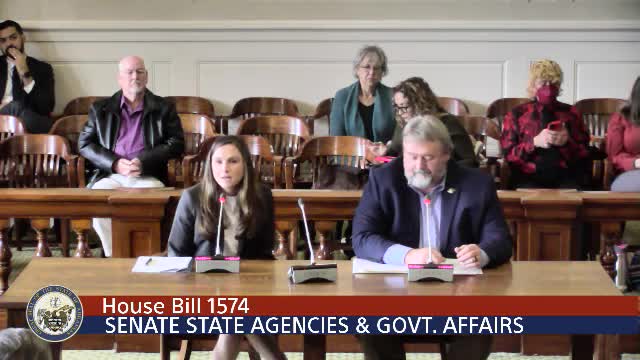
Committee advances bill that bars access to single-sex facilities based on sex; opponents warn of harms
Summary
Senate Bill 486, which would require single-sex restroom, locker room and sleeping accommodations in public buildings and shelters and allows civil suits for violations, passed the committee after debate over definitions, sovereign immunity and public-safety claims.
Little Rock — The Senate State Agencies & Governmental Affairs Committee advanced Senate Bill 4 86, a controversial measure introduced by Senator Blake Johnson that would limit access to restrooms, locker rooms, changing rooms and sleeping quarters in public buildings, state and local correctional facilities, and shelters by sex as defined in the bill.
Johnson, the bill sponsor, said SB 486 “protects the physical privacy and safety of women and men in shelters, state and local correctional facilities, and all public buildings operated by government entity.” He told the committee the bill would allow reasonable accommodations such as single-occupancy or family restrooms and would create a civil cause of action if required separations were not provided.
Committee members pressed the sponsor on whether the bill addressed a pervasive local problem and on specific definitions. Senator Tucker asked for examples where the problem had occurred in Arkansas; Johnson replied that the measure was preventative. Senator Tucker and others also noted the bill did not define “shelter” in the text and suggested adding that definition. The chair and several members raised concerns about sovereign immunity, asking how the statute’s private-right-of-action would work against state facilities; Johnson said the issue had been discussed with executive-branch counsel and that a claims-commission process could be used but acknowledged it was not spelled out in the draft.
Legal counsel from Alliance Defending Freedom, Sarah Beth Nolan, testified in support and said the bill was patterned on protections already applied in K–12 settings and that similar measures have been upheld in federal courts elsewhere. “This bill protects the physical privacy and safety of women and men,” Nolan said. Opponents described broader harms during public testimony. Tianna Stell, policy coordinator for InTransitive, said the bill would block access to shelter services for transgender people and increase risk for people already subject to violence in shelters. “This bill is actually fear mongering, dangerous, discriminatory and an unnecessary financial burden on our state,” Stell said.
Senator Tucker argued the criminal code already addresses most acts of exposure or assault and that prosecutors have said they will prosecute those crimes; he described the bill as duplicative and warned it “actively causes harm” by compelling transgender people into different facilities and by singling out a vulnerable group. Senator Sullivan said he would vote for the bill and rejected the characterization that sponsors sought to erase existence of transgender people; others framed the debate as a balance between prevention and existing criminal law enforcement.
After discussion, Senator Sullivan moved passage; Senator Dodson seconded. The committee approved SB 486 by voice vote and the bill now moves to the Senate calendar.
Why it matters: SB 486 would create a civil enforcement mechanism and set statutory definitions governing access to sex-segregated spaces in government-run facilities and shelters. Supporters say it protects privacy; opponents said it risks denying services and could increase harm for transgender people.
Next steps: The bill advances to the full Senate; sponsors and committee members noted several drafting points — notably definitions and sovereign-immunity language — that may be revisited.