Get Full Government Meeting Transcripts, Videos, & Alerts Forever!
Get email alerts on the Committee Roundup topic
No spam. Unsubscribe anytime.
Committee advances several bills: missing-child alert, fire-academy governance, cremation technology regulation and food-additive ban among measures moved
Summary
The committee advanced a set of bills with limited floor debate: a new statewide missing-youth alert, a rollback of oversight language at the Arkansas Fire Training Academy, regulatory authority for alkaline hydrolysis cremation alternatives, and a food-additive restriction passed as amended.
The committee handled a number of bills with brief debate and votes after longer items earlier in the hearing. Highlights and outcomes:
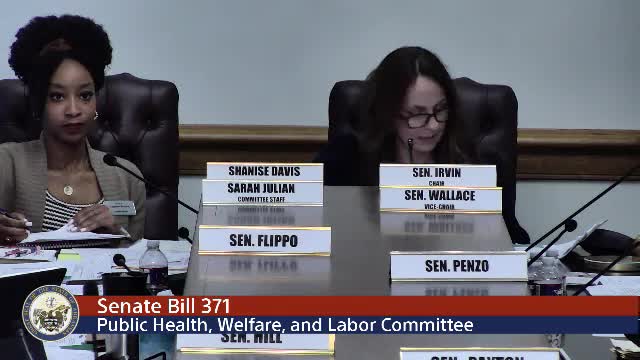
Missing-child alert (Senate Bill 371, as amended) — Sponsor Senator Scott described a statewide missing-youth notification modeled on existing Amber and Silver alerts to reach law enforcement, media and variable-message highway signs when a child under age 18 is believed missing and in danger but does not meet Amber Alert criteria. The committee adopted a co-sponsor amendment and approved the bill as amended.
Fire training governance (Senate Bill 473) — Senator Matt Stone brought a one-word change to reverse last session's change that had given the Arkansas Fire Protection Services Board an "oversight" role over the Arkansas Fire Training Academy. Stone and SAU Tech leadership said the academy historically reported to the chancellor; officials argued the board should be advisory so the campus and chancellor retain final authority over educational programs. The committee approved the change, restoring advisory status.
Regulation of alkaline hydrolysis / cremation alternatives (Senate Bill 440, as amended to add Rep. Rye as House co-sponsor) — Senator Wallace said the bill gives the Arkansas Board of Embalmers and Funeral Directors explicit authority to regulate alkaline hydrolysis (a water-based method sometimes described as "green cremation") if providers offer it in the state. The committee approved adding a House co-sponsor and passed the bill as amended.
Food additive restrictions (Senate Bill 9, as amended) — Sponsor Senator Davis said the bill removes a particular synthetic dye (the draft originally included red dye 3 but the amendment removed that now that the FDA is acting) and would ban potassium bromate and an additional preservative commonly used to extend shelf life of sweets. Senator Davis said he delayed the effective date to Jan. 1, 2028, to allow producers time to reformulate. The committee approved the amendment and passed the bill as amended. The sponsor acknowledged one additive name in the transcript was unclear and said the intent is to mirror recent actions in other states to give industry time to adjust.
Quick notes on procedure and outcomes: most of these measures were advanced by voice vote or by simple motion; where roll-call votes occurred (for other bills earlier in the agenda), the transcript records the tallies. Several bills included co-sponsor additions or clarifying amendments adopted in committee.
Votes at a glance (committee action recorded in transcript): - SB 371 (missing-child alert, as amended): approved (voice vote) — sponsor: Senator Scott - SB 473 (fire academy governance): approved (roll-call recorded later in hearing) — sponsor: Senator Stone - SB 440 (alkaline hydrolysis regulation, as amended to add House cosponsor): approved (voice vote) — sponsor: Senator Wallace; House co-sponsor added: Rep. Johnny Rye - SB 9 (food-additive restrictions, as amended): amendment adopted and bill approved — sponsor: Senator Davis
What this means: These bills now move from committee to the full chamber or the next procedural step. SB 371 creates an additional statewide missing-youth alert mechanism; SB 473 restores campus governance and clarifies who has final authority over the training academy; SB 440 gives the funeral board authority to regulate a new disposition method should providers adopt it; SB9 would restrict specified food additives with a delayed effective date to allow producers to reformulate.