Get Full Government Meeting Transcripts, Videos, & Alerts Forever!
Get email alerts on the Energy Policy topic
No spam. Unsubscribe anytime.
Long testimony on proposed statewide wind regulations highlights safety, tourism and decommissioning concerns
Summary
Sponsors presented a draft Arkansas Wind Energy Development Act after lengthy testimony from community and industry observers raising safety, visual and economic concerns; committee recessed before final action.
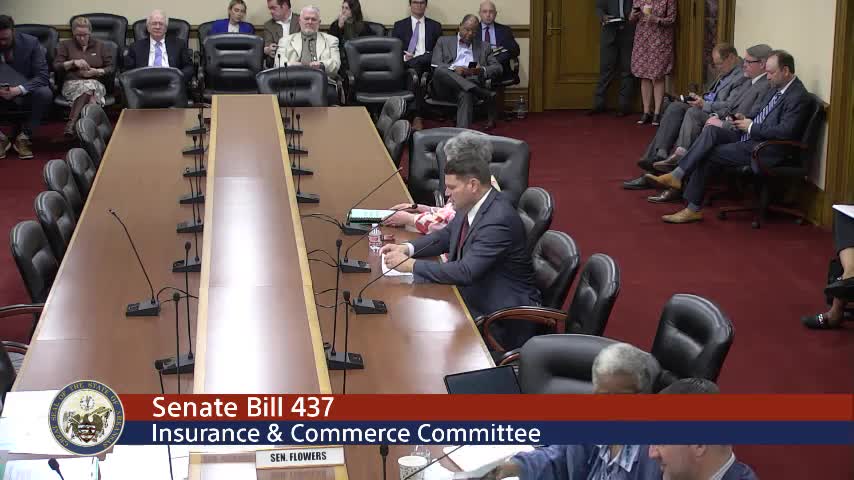
State Sen. Bart Hester and citizen witness Julie Morton urged the committee to consider a comprehensive regulatory framework for large wind‑turbine projects, citing safety, decommissioning and economic concerns.
Morton, who described a 43‑year energy industry career that included work on wind projects, said the draft Arkansas Wind Energy Development Act is not a ban but a set of minimum state standards modeled on rules in other states. She told the committee the industry’s current projects include turbines 681–698 feet tall and that some developers and investors are foreign‑based.
"This is not a ban, and this is not a moratorium. This is just common sense regulation like every other industry in the state of Arkansas is subject to," Morton said, adding the bill would set statewide minimums while preserving local authority to strengthen protections. Morton and Sen. Hester urged protections for private‑well hydrology, setbacks, mandatory notification zones, aircraft safety measures and decommissioning bonds.
Senators questioned setback distances, decommissioning responsibilities and how the bill’s provisions would apply to projects already underway. Morton said some projects under development would likely be handled differently depending on their stage but that sponsors were open to adjusting retroactive dates. Committee members raised aviation safety concerns, possible economic effects on tourism in the Ozarks, and whether the Federal Aviation Administration’s review process is adequate to protect low‑flying private and agricultural aircraft.
No final committee vote was recorded on the wind bill during the hearing; the committee recessed for floor session and speakers said some members requested further deliberation and potential amendments.