Get Full Government Meeting Transcripts, Videos, & Alerts Forever!
Get email alerts on the Healthcare Access topic
No spam. Unsubscribe anytime.
Committee advances bill to require coverage standards for advanced breast reconstruction
Summary
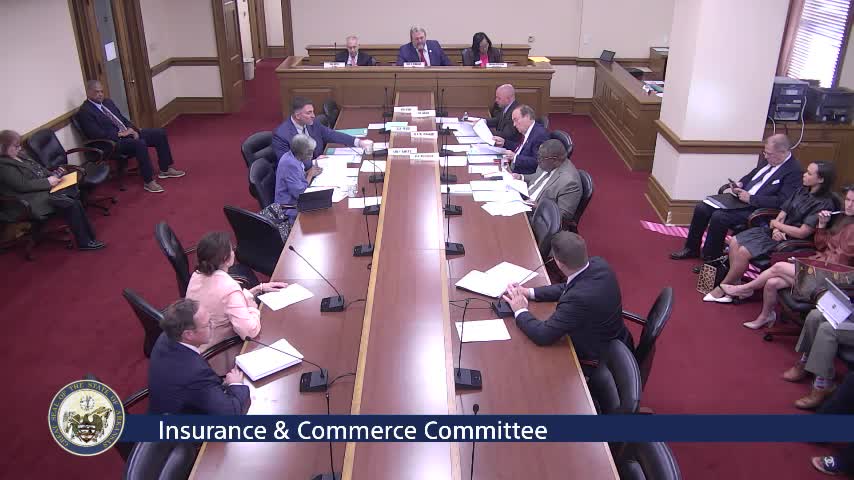
Senate Bill 83 would require insurers to cover microsurgical ‘deep flap’ breast reconstructions at reimbursement levels that proponents say would keep the procedures in state and in-network.
Senate Bill 83 drew lengthy testimony from surgeons, practice managers and several breast cancer survivors describing barriers Arkansans face getting what proponents called the clinical "gold standard" for breast reconstruction after mastectomy.
Sen. Joshua Bridal (Senate District 32) introduced the bill and said it was prompted by constituent cases in which coding and reimbursement changes left in‑state surgeons unable to get in‑network coverage for advanced microsurgical reconstruction — procedures that proponents said take many hours in the operating room and require multi‑day hospital stays.
"This bill will allow standardized reconstruction for all women," Jennifer Moore, practice manager at Taylor Plastic Surgery and Reconstruction, told the committee. Moore said some procedure codes were removed from national Centers for Medicare & Medicaid Services pathways and that payers were effectively downgrading reimbursement so surgeons could not afford to provide the service in Arkansas.
Dr. Robert Taylor and other clinicians described the surgery as technically demanding and time‑consuming. "This groundbreaking surgery is ... 10 to 14 hours in length," Dr. Taylor said, and he said reimbursement had fallen to levels that forced many in‑state surgeons to stop offering the procedure and to send patients out of state.
Three breast cancer survivors testified about delays, travel and financial burdens when in‑state access was not available. Dana Brown, diagnosed with invasive ductal carcinoma in 2021, described multiple treatments and said the deep flap procedures she received from an in‑state surgeon were transformative: "The deep flap surgery made me whole again," she said.
Proponents said the bill would standardize prior authorization, establish a minimum reimbursement level so surgeons can participate in‑network, and protect patients from paying higher out‑of‑network costs when in‑state surgeons are not available. They cited support or neutrality from the Arkansas Hospital Association and the American Society of Plastic Surgeons handout provided to committee members.
Senators asked questions about payer mix, how many local surgeons would offer the procedure if reimbursement improved, and prior authorization timelines. Several senators spoke in favor; Sen. Flowers moved the bill Do Pass and the committee approved it by voice vote.
Committee testimony included references to the federal Women’s Health and Cancer Rights Act as a federal protection but proponents said Arkansas patients still faced in‑network access and reimbursement problems that state law could address to ensure local availability.