Get Full Government Meeting Transcripts, Videos, & Alerts Forever!
Get email alerts on the Anesthesiologist Assistant Licensure topic
No spam. Unsubscribe anytime.
Anesthesiologist assistant licensure fails in committee after testimony from providers and hospitals
Summary
House Bill 1251, which would have established state licensure for anesthesiologist assistants (AAs), failed to pass the Senate Public Health committee after extensive testimony from anesthetists, physician anesthesiologists and hospital stakeholders.
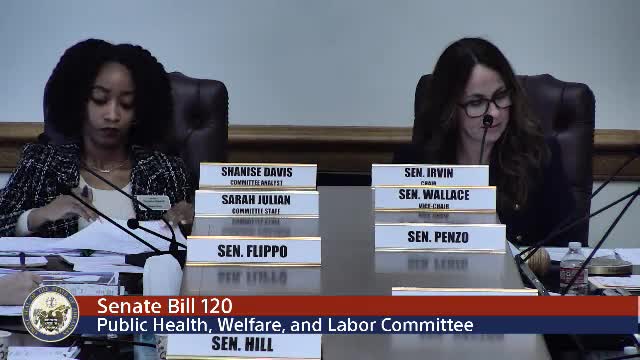
House Bill 1251, the Arkansas Anesthesiologist Assistant Act, failed to win approval in the Senate Public Health, Welfare and Labor Committee after extended testimony and a roll-call vote.
Sponsor Rep. Lee Johnson and a certified anesthesiologist assistant who trained at Emory University described AA education as "graduate level" with more than 2,000 anesthesia-specific clinical hours and ongoing certification and continuing-education requirements. The sponsor said licensure would allow qualified Arkansas natives trained in AA programs to return home and help address anesthesia staffing shortages in higher-volume hospitals. A witness for the bill said, "Licensure of CAAs in Arkansas will increase access to safe, cost-effective anesthesia care."
Opponents, including leaders of the Arkansas Association of Nurse Anesthetists and practicing CRNAs, urged rejection, saying AAs have different prerequisite backgrounds and shorter clinical training compared with doctoral-level CRNA programs and that introducing AAs would increase cost and regulatory complexity for hospitals. Anesthesia providers who testified opposed the bill argued that AAs would be useful in a small slice of practice settings and that the state already trains and retains significant numbers of CRNAs.
After debate, committee members requested a roll-call vote. The roll-call in committee show several "no" votes and the chair announced the bill did not pass. Committee members also sought fiscal impact information during the discussion; the Department of Health said it had not taken a formal position and indicated the bill would be reviewed for regulatory and fiscal impacts if reintroduced.
Why it matters: the bill touched on workforce strategy for perioperative and emergency care, professional education and provider scope. Supporters focused on adding trained practitioners to high-volume facilities; opponents said the measure risks higher facility costs and would not materially improve rural access.
What comes next: HB 1251 was defeated in committee by roll call; sponsors may revise the measure or pursue alternative workforce measures.
Speakers quoted in this report participated in the HB 1251 hearing.