Get Full Government Meeting Transcripts, Videos, & Alerts Forever!
Get email alerts on the Pregnancy Medical Emergency Definition topic
No spam. Unsubscribe anytime.
Senate panel approves bill clarifying medical-emergency language for pregnant patients
Summary
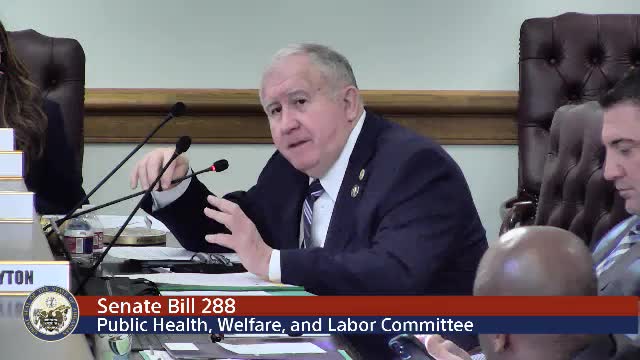
The Senate Public Health, Welfare and Labor Committee voted to pass House Bill 1610, which narrows the statute's language to clarify when termination of pregnancy is allowed to preserve a pregnant woman's life.
House Bill 1610, which revises the definition of "medical emergency" as it applies to pregnant patients, cleared the Senate Public Health, Welfare and Labor Committee after brief discussion on procedural language and physician judgment.
The bill, presented to the committee by Sen. Jimmy Hickey, would replace the term "abortion" in certain code sections with the broader "termination of a pregnancy" and add a definition of "reasonable medical judgment." Hickey told the committee the change is intended so "doctors acting in good faith would not be prosecuted for working to save the life of a pregnant woman."
The bill text directs that a medical emergency "meets a condition in which, in reasonable medical judgment, a complication of the medical condition of a pregnant woman to the extent the termination of a pregnancy is necessary to preserve the life of the pregnant woman." During discussion, committee members focused on the statutory definition of "reasonable medical judgment," which the bill defines as the judgment of a "reasonably prudent qualified physician knowledgeable about the case and the treatment possibilities with respect to the medical conditions involved." Sen. Hickey said that clarification is "very important" and intended to resolve confusion created by earlier enactments.
No members of the public registered to speak for or against the bill during the committee hearing. After the sponsor's closing, a voice vote carried the measure out of committee; the chair announced, "Ayes have it. Congratulations. You passed your bill." The committee record does not show a roll-call tally.
Why it matters: supporters said the change removes ambiguity for clinicians and focuses the standard on medical judgment rather than the narrower statutory term previously used. The committee did not identify additional changes to other statute sections beyond the text presented.
What comes next: the bill now moves forward according to the legislative calendar for further action by the full Senate. No effective date or implementation steps were discussed in committee.
Speakers quoted in this report spoke during the HB 1610 agenda item during the committee meeting.