Get Full Government Meeting Transcripts, Videos, & Alerts Forever!
Get email alerts on the Employee Benefits Childcare topic
No spam. Unsubscribe anytime.
Council told hundreds of employees used city backup childcare; corrected W‑2s issued after IRS treatment as taxable income
Summary
Council members raised concerns that city-subsidized backup childcare benefits triggered taxable income for employees. OHR officials said corrected W‑2s were issued and provided enrollment and usage figures for the backup care program
Council members sought details about the city’s new backup childcare program and the tax treatment of the subsidy provided to participating employees.
Majority Leader Gilmore Richardson and other council members said employees who used the backup care benefit received corrected W‑2s reflecting the subsidy as taxable income and expressed concern that participants were not informed of that tax consequence when they signed up.
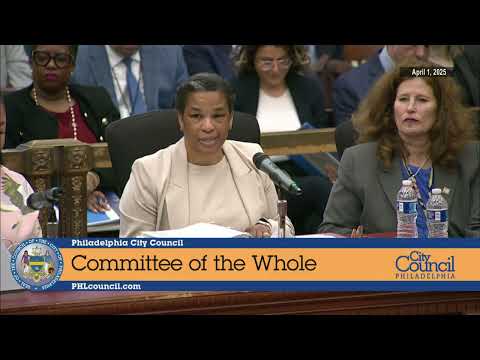
Marcia Green Jones, deputy director of human resources for health and welfare, confirmed the administration recognized the IRS requirement to treat the city’s subsidy as taxable income, issued corrected W‑2s to affected employees no later than Feb. 19, and sent communications to enrolled employees explaining the tax treatment. Jones confirmed the program’s enrollment and usage totals reported at the hearing: 678 employees had signed up, cumulative days requested were 719, days used were 603, and the average number of backup days used per enrolled employee was about five.
Council members asked the administration to quantify the aggregate tax impact for employees who used the benefit in the previous tax year and requested that the city consider remedial steps for employees who used the benefit without knowledge of its tax treatment. Human resources staff agreed to work with the Finance Department and provide data on the total tax impact and options for assistance.
Why it matters: The city’s benefit was designed to help employees manage caregiving disruptions; the unanticipated tax treatment could increase employees’ tax liabilities and cause financial hardship for lower‑income workers.
Looking ahead: OHR will work with finance to quantify aggregate tax impacts, provide follow-up guidance to employees, and recommend any administrative or budgetary measures to mitigate unintended burdens for FY26.