Get Full Government Meeting Transcripts, Videos, & Alerts Forever!
Get email alerts on the Child Victims Act topic
No spam. Unsubscribe anytime.
Committee advances amended Child Victims Act with lower caps and attorney-fee limits; members voice concerns
Summary
The House Judiciary Committee considered an interlineated amendment to House Bill 13-78 (Child Victims Act). The amendment sets new caps for private and public defendants for future claims, adds an effective date and caps attorneys' fees, prompting extended discussion about victims' needs and fiscal impacts.
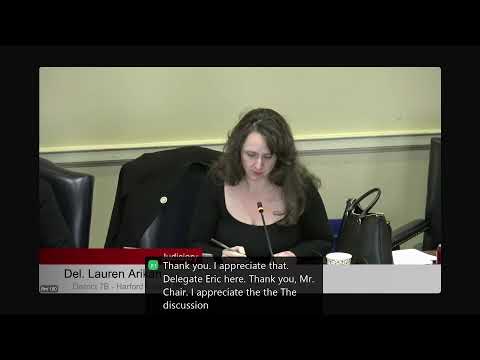
The House Judiciary Committee spent extended time on an amendment to House Bill 13-78 (Child Victims Act) on March 26, 2025. The interlineated amendment would apply prospectively, with an effective date of June 1, 2025, and for claims brought after October 1 of that year it would lower damage caps and limit attorneys' fees.
Why it matters: the Child Victims Act addresses civil claims by people who were sexually abused or otherwise victimized as children, including claims previously time-barred. Changes to caps and fee structures affect compensation available to claimants and the financial exposure of public and private defendants, and the debate raised questions about balancing victims' restitution and state/local fiscal exposure.
Key provisions described in the committee: the amendment would lower the private-defendant cap from $1,500,000 to $700,000 and lower the public-defendant cap from $890,000 to $400,000 (the latter aligned with local tort-claim caps mentioned in the hearing). The amendment also sets attorney-fee caps at 20% for settlements and 25% for judgments. Additionally, the amendment requests that the Maryland Supreme Court promulgate rules for implementing the Act’s provisions and requires an annual judiciary report summarizing awards and the underlying claims. The amendment’s effective date was stated as 06/01/2025 for the statute's prospective provisions.
Committee debate and perspectives: Delegates voiced differing views. Delegate Grammer and others questioned why victims whose claims involved public institutions should face a lower cap than victims of private abuse; they expressed concerns that monetary caps may be insufficient to make victims whole. Chair (unnamed) and other supporters said the amendment is intended to balance making claims actionable and understanding the fiscal universe for the state and local governments while keeping the door open for previously time-barred claims. Several delegates emphasized that many victims sought acknowledgment, therapy and vindication, not only financial awards.
Votes and next steps: The committee did not finalize floor action on all possible changes during the hearing, but the chair warned members that votes would be taken the next morning at 9:00 and after the first session on Wednesday. Members were invited to file additional amendments for consideration in the near term.
What remains unspecified in the transcript: The amendment as discussed sets new caps but the transcript does not include actuarial or fiscal estimates of total exposure under the lowered caps or the number of potential claimants. Members urged further analysis and said amendment language may be adjusted before final floor votes.