Get Full Government Meeting Transcripts, Videos, & Alerts Forever!
Get email alerts on the Tax Collection Short Term Rentals topic
No spam. Unsubscribe anytime.
Senate advances bill centralizing short-term rental tax collection with comptroller; counties keep hotel tax control
Summary
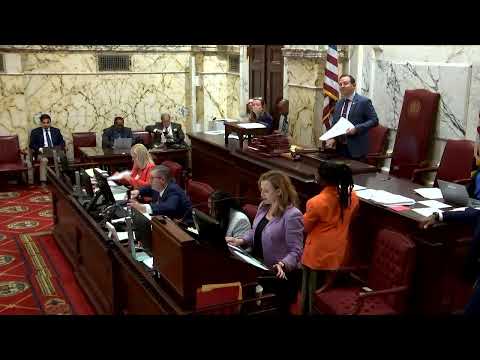
Senate substitute amendments to Senate Bill 979 were adopted to create a centralized collection method by the comptroller for certain accommodation taxes, including short-term rentals; the bill was ordered printed for third reading.
Senate Bill 979, which would create a centralized method for collecting local accommodation taxes, advanced after substitute committee amendments were adopted on the floor. The sponsor said the bill folds multiple local proposals into a single, uniform system and authorizes the comptroller to collect certain administrative fees.
Senators discussed the change in collection mechanics: under the amended bill the comptroller would collect accommodations tax from short-term rental platforms and remit proceeds to counties on a unified schedule. Senators clarified that the bill would not change county tax rates for hotel accommodation taxes; counties would continue to set those rates.
The chamber adopted substitute amendments without recorded objection and ordered the bill printed for third reading. Senate debate noted stakeholder involvement and support from affected counties; the sponsor said the amended language was designed to create equity across jurisdictions and to reduce administrative friction.
Floor exchanges clarified scope: committee and floor managers told the chamber the measure was not intended to increase taxes, only to standardize collection and timing. One senator asked whether a short-term rental must now pay an accommodation tax; the sponsor answered the change aligns with existing law and county rate-setting.
The bill was advanced to third reading in the Senate; no final passage vote for the bill is recorded in the day's transcript.