Get Full Government Meeting Transcripts, Videos, & Alerts Forever!
Get email alerts on the Cannabis Regulation topic
No spam. Unsubscribe anytime.
Delegates pass bill restricting high‑dose THC in hemp‑derived products; committee chair warns of risk to children
Summary
On third reading the House approved Senate Bill 214, prohibiting distribution of hemp‑derived products with tetrahydrocannabinol (THC) above set thresholds and expanding seizure authority for illegal products, after committee explanation about dosage concerns.
ANNAPOLIS, Md. — The Maryland House of Delegates on March 15 approved Senate Bill 214 on third reading, a measure aimed at restricting distribution of tetrahydrocannabinol (THC) in products derived from hemp that meet or exceed the state’s regulatory thresholds.
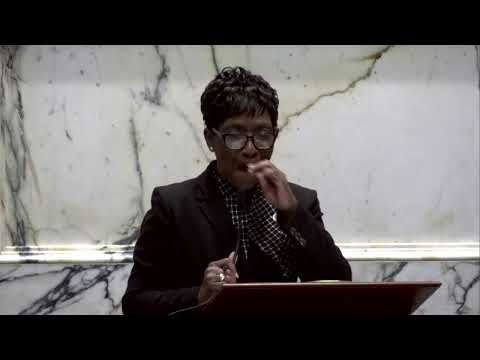
The bill’s committee chair described the measure on the floor, saying it “prohibits the sale or the distribution of any product that contains tetrahydrocannabinol ... if it violates the existing statutory regulatory requirements,” and stressed the bill focuses on doses that pose a risk to children. “We had individuals ... selling a THC‑based [product] that ... could be a hundred milligrams of THC. It could be very damaging, especially to little kids if they get them in their hands,” the chair said.
Nut graf
Supporters on the floor framed the bill as a public‑safety measure intended to close a regulatory gap created when hemp products entered markets under the federal Farm Bill’s agricultural provisions. The chair explained the state intends to cap THC per serving and to enable seizure of products that exceed the permitted THC levels.
What the bill does
Committee remarks on the floor said SB 214 bars sale and distribution of products that exceed Maryland’s THC per‑serving threshold (floor discussion referenced 10 milligrams per serving as a regulatory benchmark). The committee chair said the federal Farm Bill’s hemp provisions were intended for non‑consumptive uses and were not meant to authorize high‑dose consumable products.
Questions and clarifications
A delegate asked whether common CBD or hemp creams would become illegal; the chair responded that routine topical CBD products would not be affected, saying, “This isn't going to make her CBD cream illegal.” The chair reiterated the bill targets products with levels designed to cause intoxication, not typical wellness or topical uses.
Vote and next steps
After floor discussion and a roll‑call, the clerk announced, “There being 100 votes in the affirmative, Senate Bill 214, having received the constitutional majority, is declared passed.” The bill will proceed per the legislative process toward enrollment and any further steps required for enactment.
Ending
The House’s explanation on the floor reflects the committee’s framing of SB 214 as a targeted consumer‑safety measure; the record shows delegates sought and received clarifications about scope and affected products.