Get Full Government Meeting Transcripts, Videos, & Alerts Forever!
Get email alerts on the Education topic
No spam. Unsubscribe anytime.
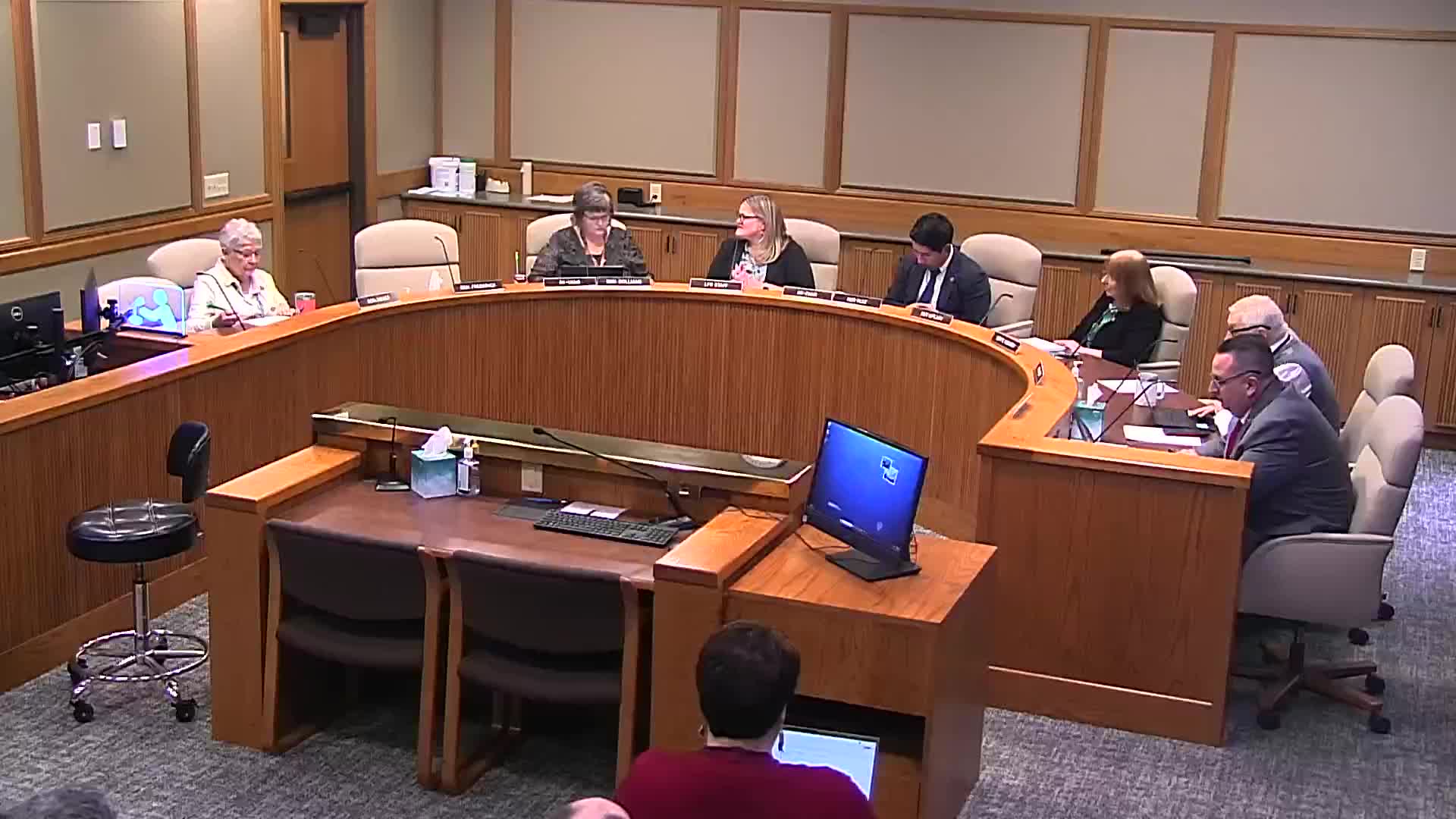
Committee adopts amendment creating continuously appropriated summer learning grant fund in House Bill 2,007
Summary
The Joint Committee on Ways and Means for Education adopted the A‑4 amendment to House Bill 2,007, establishing a Summer Learning Grant Program Fund, prioritizing literacy-focused programs for students with the lowest reading proficiency. The amended bill was moved to the full Ways and Means Committee with a do‑pass recommendation via voice vote.
The Joint Committee on Ways and Means for Education adopted an amendment to House Bill 2,007 on April 1, creating a dedicated Summer Learning Grant Program Fund and directing the Oregon Department of Education to establish and administer competitive grants for summer learning programs.
The bill, as described by staff, requires the Department of Education to set program elements and grant eligibility, including minimum program hours, application requirements and eligible applicant types. It directs the department to prioritize grants to programs that use research‑aligned literacy strategies and targeted interventions serving students in areas with the lowest rates of reading proficiency. The measure contains annual reporting requirements and directs the department to review statewide student academic outcomes to determine which academic areas to prioritize in future biennia. The bill includes an emergency clause making it effective on passage.
The A‑4 amendment removes a blank general fund appropriation that appeared in earlier drafts and creates a Summer Learning Grant Program Fund. Committee staff explained the fund will be continuously appropriated to the Department of Education for issuing summer learning grants. The Legislative Fiscal Office recommended adoption of the A‑4 amendment.
Committee members debated the amendment and the bill's scope. Representative Juncker and others emphasized focusing limited resources on students most in need of literacy interventions. Representative Juncker said the intent is to “focus on the kids that really need this the most.” Representative Kathleen Levine described the changes in the A‑3 and A‑4 amendments as largely technical but said some district concerns remain and that further work will be needed beyond the current emergency‑clause timeline. Senator Weber and other legislators expressed support for prioritizing literacy while noting budget constraints and the desire to broaden programming in future sessions.
Co‑Chair Ruiz moved adoption of the A‑4 amendment and, after no objections were raised, the amendment passed by voice vote. Co‑Chair Ruiz then moved the bill, as amended, to the full Ways and Means Committee with a do‑pass recommendation; that motion also carried.
Discussion only included committee debate and statements from members; no roll‑call votes were recorded in the transcript. Committee members repeatedly stressed the goal of supporting evidence‑based literacy strategies and noted that program design and funding limitations mean additional details may need to be addressed in subsequent legislative work.
The committee closed its work session on House Bill 2,007 and proceeded to a public hearing and work session on the related funding measure, House Bill 5,047.