Get Full Government Meeting Transcripts, Videos, & Alerts Forever!
Get email alerts on the Veteran Health Navigation topic
No spam. Unsubscribe anytime.
Committee hears support for veteran-specific personal health navigators to assist access to care
Summary
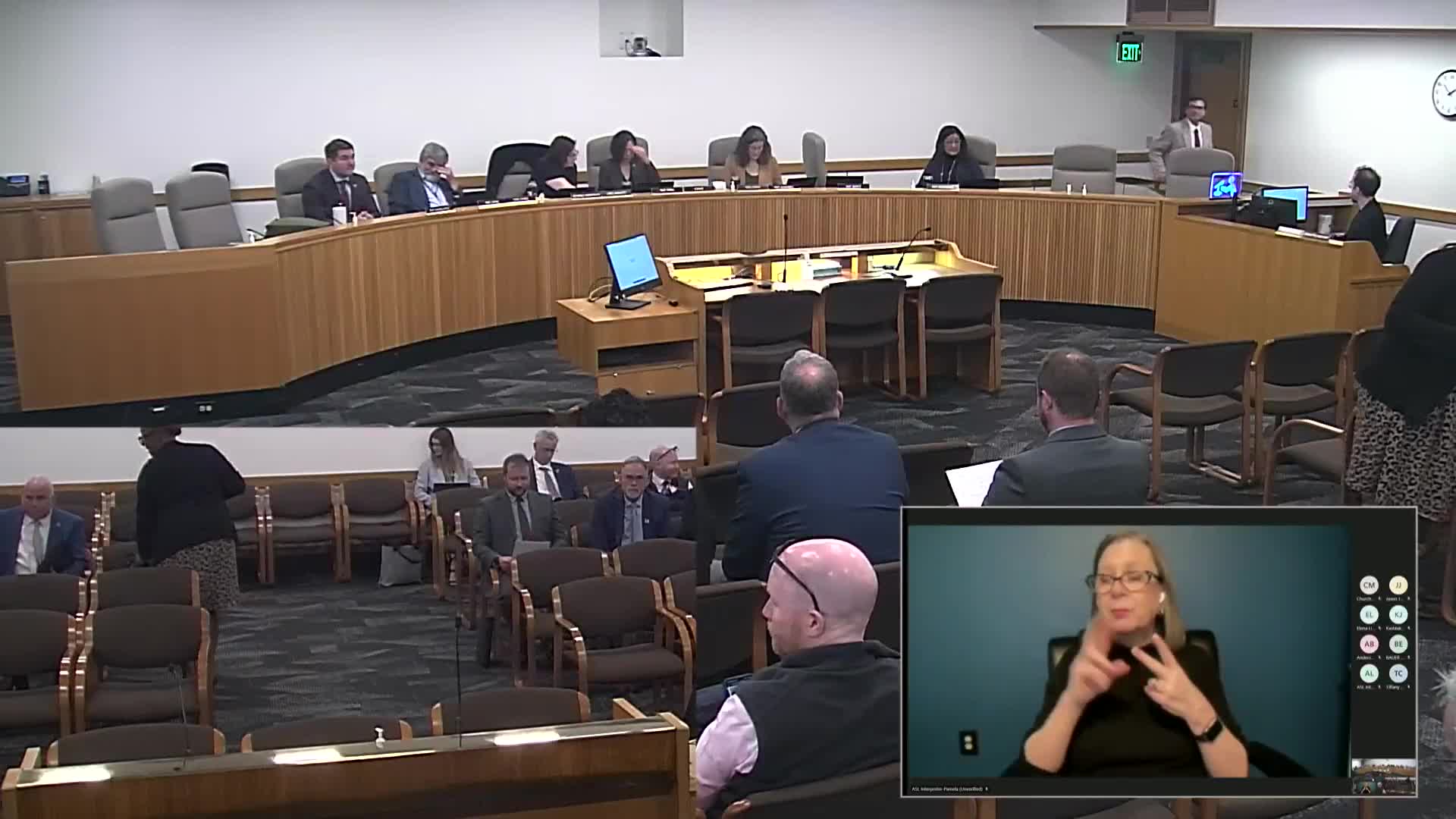
House Bill 37 73 would create a veteran‑specific personal health navigator certification under Oregon’s traditional health worker program to help veterans access and coordinate VA and civilian health care, supporters told the House committee on April 1.
House Bill 37 73, taken up in public hearing April 1 by the House Committee on Emergency Management, General Government and Veterans, would direct the Oregon Health Authority to adopt by rule qualification criteria for veteran‑specific personal health navigators as a subcategory of traditional health workers.
Representative Boyce and other supporters described the bill as a practical approach to improving veterans’ access to care. "Personal health navigators would not only guide veterans to the care and support that is most effective for them, but it is also important that their services will be reimbursed," said Elena Leininger, executive director of Source 1 Serenity and a military spouse. Supporters told the committee that the role differs from peer support specialists because personal health navigators are trained to help veterans access medical care, understand treatment options, coordinate services, and overcome barriers to health and wellness.
RJ Romero, veterans caucus coordinator, said the bill was "written by veterans for veterans" and noted the proposal would allow current veteran peer support specialists to be grandfathered into the certification under a legacy clause while training programs are developed. Several witnesses described rural need and suicide‑prevention implications; Leininger referenced research showing higher veteran suicide rates in parts of southwestern Oregon and urged that navigators increase capacity for community organizations.
Roy McClain, who runs VetCare (a shelter and veteran services program), testified the certification would give his peer staff expanded, standardized training to support navigation between Oregon Health Insurance and VA systems. Steve Schneider of the Oregon Veteran Alliance called personal health navigators a practical step that could reduce suicide risk by increasing regular primary care access.
Jason Johnson, a Desert Storm Gulf War Illness veteran, described complex post‑exposure health issues and said a centralized navigator would have been life‑changing for him and others facing complicated, multi‑provider conditions. Witnesses said the bill should have no state fiscal impact because training would be provided by community organizations under the existing traditional health worker program and federal reimbursements could follow increased use of VA health services.
The committee did not vote on the bill during the hearing; sponsors and witnesses provided testimony supporting the concept and answered committee questions about training, grandfathering and expected fiscal arrangements.