Get Full Government Meeting Transcripts, Videos, & Alerts Forever!
Get email alerts on the Adult Foster Homes Pilot topic
No spam. Unsubscribe anytime.
Mixed testimony as committee hears proposal to pilot larger adult foster homes
Summary
A proposed four‑year pilot (HB 2956) to let some adult foster homes increase capacity from five to six or seven residents drew support from providers and resistance from advocates, who warned of safety and regulatory gaps.
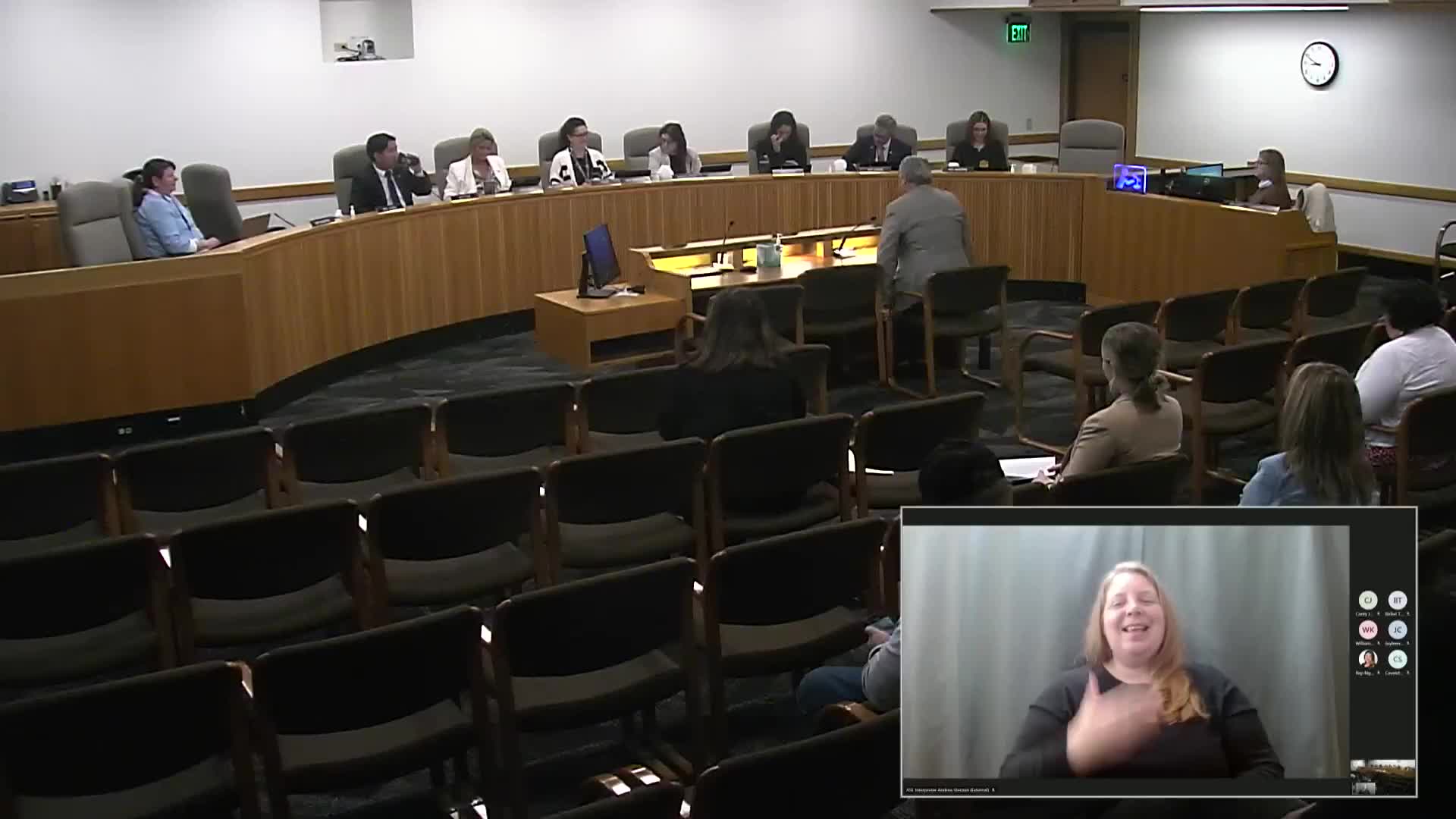
The House Committee on Early Childhood and Human Services held a public hearing April 1 on House Bill 2956, a four‑year pilot to allow certain adult foster homes to serve up to six or seven residents instead of the current five-resident limit.
Senator Mark Meek (Senate District 20), the bill’s sponsor, said the pilot aims to keep small, home-like care settings viable as reimbursement rates and operational costs squeeze providers. The dash-2 amendment adds protective requirements: adult foster homes must maintain existing staffing ratios, not require shared occupancy except for spouses or partners, pass a physical inspection showing the home can safely accommodate one or two additional residents, and be in substantial compliance with state rules before participation. The amendment would cap participation at roughly 30 homes (about 2% of Oregon’s adult foster-home population) and extend the pilot’s sunset to 2030.
Multiple provider witnesses supported the pilot. Petronella Donovan of the Independent Adult Care Home Association and several individual providers told the committee that modest capacity increases would improve financial viability while preserving a home-like setting. Providers cited a steep decline in the number of adult foster homes in recent decades and said higher capacity could help keep more homes open.
Opponents and cautious stakeholders included AARP Oregon, Disability Rights Oregon, and other consumer-advocate groups. AARP told the committee it opposes the dash-2 amendment because expanding capacity “fundamentally changes the nature of the home-like setting” and could create safety, licensing and physical-space concerns (bedrooms, bathrooms, evacuation and sprinkler rules). Disability Rights Oregon said it opposed the bill without more stakeholder engagement on operational and resident-protection details, including staffing, emergency evacuation and the interplay with existing licensing frameworks.
The Oregon Health Care Association said it was neutral on the bill with changes that clarify eligibility and require DHS verification that homes are in substantial compliance and meet fire-safety standards. Several witnesses requested a capped pilot and close monitoring of health and safety outcomes.
Committee members asked detailed questions about staffing, evacuation and sprinkler rules and how the pilot would interact with other pending legislation. Senator Meek and provider witnesses said the pilot preserves staffing ratios and includes inspection and compliance safeguards. Several stakeholders urged an interim work group or more robust stakeholder engagement to address structural issues such as licensing, physical-space requirements and statutory definitions that distinguish adult foster homes from residential care facilities.
The committee closed the public hearing after extensive testimony; members indicated more discussion will be necessary before any committee recommendation.