Get Full Government Meeting Transcripts, Videos, & Alerts Forever!
Get email alerts on the Budget And Finance topic
No spam. Unsubscribe anytime.
County commissioner lays out 2026 budget priorities: no tax increase, targeted cuts and revenue ideas
Summary
A county commissioner presented a long set of priorities for the 2026 budget, urging no property- or sales-tax increases, proposing department cuts and fee reviews, and recommending revenue measures and operational changes to address projected debt service and capital needs.
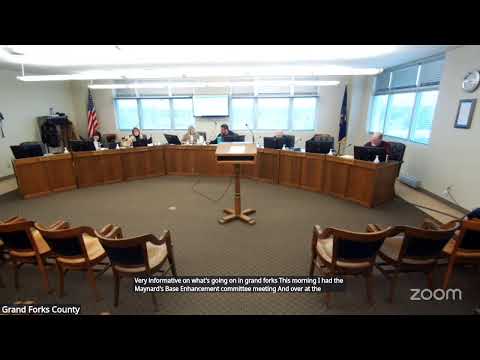
A county commissioner presented a detailed set of budget goals and priorities at the Grand Forks County Commission meeting April 1, urging the board to avoid property‑tax and sales‑tax increases for 2026 while pursuing targeted spending cuts and new revenue sources.
“I campaigned on no sales tax. I campaigned on no property tax increase, and I am not deviating from that,” the commissioner said, outlining a plan the speaker described as relying on new growth only and a combination of additional revenue and spending reductions. The speaker said the county faces roughly $4 million in debt service in 2026 and an average of about $3.7 million per year in debt service over the next six years, in addition to a six‑year capital improvement plan that includes roof and boiler repairs and a courthouse sewage project.
The commissioner proposed multiple revenue and cost‑saving measures, including:
- Pursuing non‑property revenue by leasing additional county office space and updating user fees that have not been revised in a decade; - Reviewing and centralizing facility operations under the buildings and grounds director, and placing utilities and maintenance contracts under that office; - Conducting a systematic review of smaller entities and special districts that receive county funds—weed, water, soil, ambulance, recreation areas, and other small entities—to assess expenditures, fee structures and potential reductions in county subsidies; - Creating a “ramp fund” dedicated to ramp revenue and controlled by buildings and grounds for use only on ramp maintenance; - Negotiating per‑diem and guaranteed‑bed terms for the youth assessment center (YAC) to increase revenue where possible; - Implementing a hiring freeze for non‑essential positions and accelerating a new payroll system to avoid losing outside reimbursements (the speaker cited an estimated $35,000–$45,000 loss tied to Project Ultra because of payroll‑system issues); - Raising minimum hourly pay for hard‑to‑fill positions and developing a new wage and benefit plan by Dec. 31, 2026 to address recruitment and compression; - Seeking savings across a range of departments with recommended percentage reductions (examples given: county fair 12%, IT 3–5%, emergency department 12–15%, planning 12%); and - Reviewing property tax exemptions for entities (described as 10–20 year exemptions in some cases) and considering phased payments when exemptions expire.
The commissioner estimated a combination of new revenue and cuts could yield roughly $4 million, after accounting for cost increases such as COLA, pension and insurance. He suggested a “tax me more” fund as a symbolic option for residents who wanted to donate additional money to county projects rather than increase taxes.
County staff referred multiple technical questions, including the precise new‑growth estimate and line‑item details, to Finance Director Miss Nelson and Finance Department staff. The speaker repeatedly emphasized that his remarks reflected his own priorities.
The commissioner asked staff to track and report a series of follow‑up items during the budget process: quarterly tracking of rent and lease tenants in county buildings; lease reviews every two years; central purchasing; elimination of an inclement‑weather comp‑time policy for employees who work at other buildings; regular reviews of credit‑card holders and purchases; and clearer financial reporting for small entities receiving county dollars. The commissioner also asked for a plan to finance the sheriff’s office building in five years and for wage and job‑description updates to reduce hiring friction.
The presentation drew no formal motion for immediate action during the meeting; commissioners and staff indicated the items would be studied during the formal budget process. The speaker invited departments and employees to provide input and offered to meet individually.