Get Full Government Meeting Transcripts, Videos, & Alerts Forever!
Get email alerts on the Contraception topic
No spam. Unsubscribe anytime.
House committee hears bill to codify right to contraception for women; no vote taken
Summary
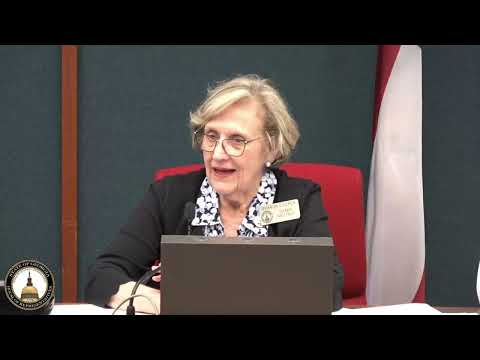
A House committee held a hearing on a substitute to House Bill LC3398287 that would place language into the Georgia Code recognizing women’s right to use contraception. Supporters called it a routine codification of medical practice; members asked for clarifications and counsel. The sponsor said the panel will not vote at this meeting.
A House committee heard testimony on a substitute to House Bill LC3398287 that would add language to the Georgia Code stating that women have the right to use contraception, the bill sponsor said. The session was a hearing only; the sponsor said no vote would be taken at that meeting and that the committee may meet again to consider amendments.
The sponsor, identified in the transcript only as the bill author, told the committee she had “been very careful to define what conception means,” and said the bill’s definition of conception would be “the process of combining the male sperm with the female ovum” resulting in a fertilized ovum. She described contraception as “a method of inhibiting a development of a human pregnancy at any stage prior to conception” and addressed questions about emergency contraception, saying it “prevents ovulation” and that it is recommended “as soon as possible,” though she acknowledged recommended windows can run “up to 3 to 5 days.”
Lawmakers pressed the sponsor on drafting choices and scope. Representative Cannon asked whether the bill should explicitly include men and proposed removing the bill’s explanatory language from code text; the sponsor said there are other places in Georgia law that reference conception and contraception and offered to consult legislative counsel. Representative Olson asked simply, “Can you tell us what the bill actually does?” The sponsor replied that it would put into Georgia law that “women in Georgia have the right to use any kind of contraception that they want to use.”
Medical and community witnesses testified in favor. Kate Boyanga, executive director of the Georgia OBGYN Society, said access to contraception “is one of our legislative priorities” and offered to work with the sponsor on drafting. Christina Cheek, founding executive director of Sister Girl Birth Initiative in Valdosta, testified that community-based perinatal health educators see harms when people lack access to contraception and urged the committee to “properly research and consider all angles” because she said maternal and infant health outcomes in the state need improvement.
Committee members raised broader maternal-health context during testimony. A witness cited a March of Dimes ranking, saying Georgia “ranks 40th in the nation” on maternal and infant health; committee members also described ongoing state investments such as expanded postpartum coverage and hospital training programs to reduce hemorrhage-related deaths. The sponsor stressed that this hearing was an initial step and that staff would consult legislative counsel before any drafting changes.
The sponsor closed the hearing without a vote and said she might bring the measure back for further consideration. No formal motion or recorded vote on LC3398287 occurred at the meeting.