Get Full Government Meeting Transcripts, Videos, & Alerts Forever!
Get email alerts on the Pbm Fiduciary Duty topic
No spam. Unsubscribe anytime.
Bill to impose fiduciary duties on PBMs and benefit consultants divided stakeholders
Summary
Senate Bill 3 would require PBMs, TPAs and benefit consultants acting for plan sponsors to “act with a fiduciary duty,” a change advocates say would increase transparency and accountability while critics say it could create litigation risk and reduce negotiating leverage.
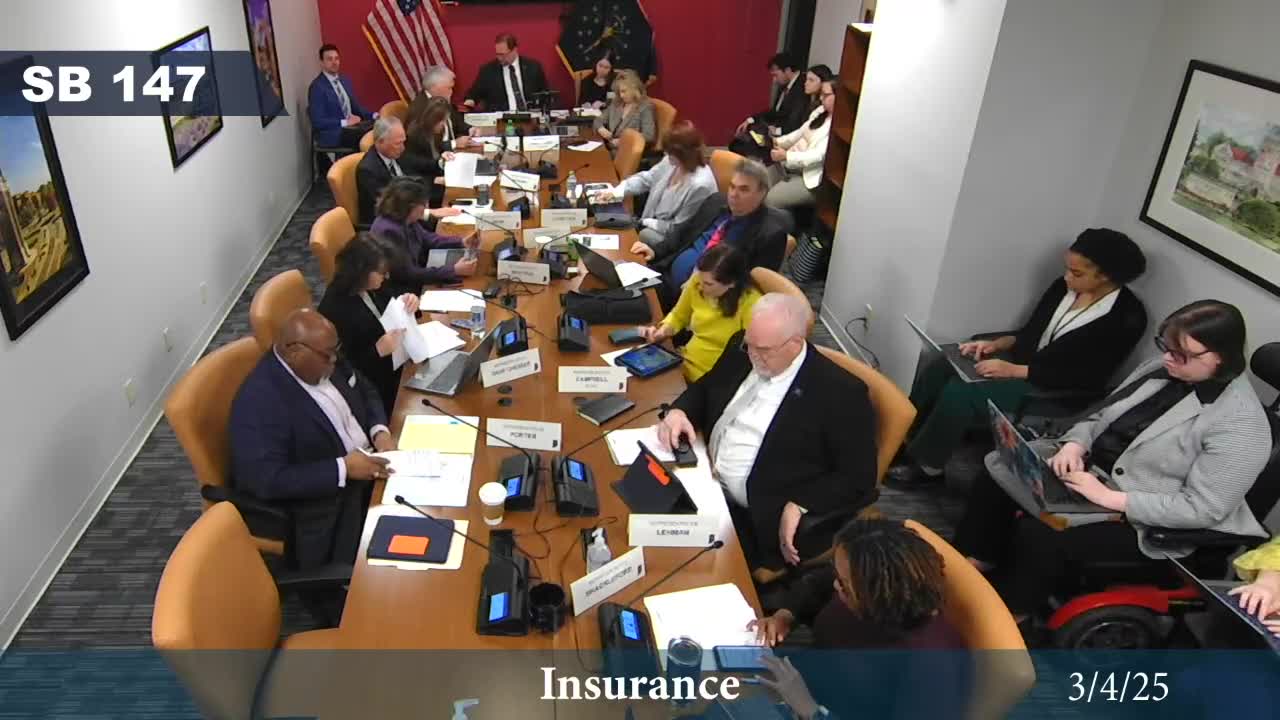
Senate Bill 3, introduced to the House Insurance Committee by State Senator Justin Bush, would require certain third parties that administer or advise on employee health plans to “act with a fiduciary duty, prudently and loyally, in the interest of the sponsor.”
Secretary Gloria Sachdev, Indiana Secretary for Health and Family Services, told the committee the governor’s office “rises in strong support” of the bill and said fiduciary obligations for PBMs, third‑party administrators and benefit consultants are necessary for employers to meet their own fiduciary duties under ERISA. She said employers cannot meet their legal obligations if third parties do not provide transparent, accountable advice.
Supporters — including school trust leaders, small‑business advocates and some employer‑side groups — urged the committee to adopt the measure or to retain the fiduciary concept while working the language. Natalie Robinson of NFIB said the bill is not a “silver bullet” but is an important component of a broader plan to relieve small businesses from rising health costs.
Opponents included pharmacy benefit managers, insurers and many third‑party administrators and benefit consultants. Joey Fox, representing the Indiana Association of Health Plans and the Pharmaceutical Care Management Association, said PBMs and TPAs do not exercise discretionary control over plan assets and asserted the Department of Labor distinguishes administrative functions from fiduciary acts. He warned that the bill as drafted could undercut the economies of scale that carriers and administrators use when negotiating discounts and rebates across pooled lives.
PBM representatives also warned of litigation and unforeseen costs. Witnesses citing market analyses said meeting a fiduciary standard could increase liability insurance and litigation exposure; one consultant referenced a 2023 actuarial review estimating additional liability costs on the order of roughly 1% of total drug spend for some PBMs, though witnesses disagreed about the methodology and applicability.
Insurance‑producer and broker associations asked the committee to exclude licensed insurance producers from a fiduciary definition. John Zarich, representing multiple insurance agent associations, said producers already face licensing, disclosure and negligence standards and that applying a broad fiduciary duty would shift many market relationships and could restrict access for smaller employers.
The committee also heard proposals for middle‑ground standards used in other contexts — for example a best‑interest standard or a “good faith and fair dealing” requirement with regulatory supervision and specified disclosures — that stakeholders said would reduce litigation risk while raising transparency and accountability.
The committee did not vote on the bill. Chair and sponsor said the measure will be held while authors and stakeholders work on drafting language to clarify scope, exemptions and enforcement mechanisms.