Get Full Government Meeting Transcripts, Videos, & Alerts Forever!
Get email alerts on the Governance Meetings topic
No spam. Unsubscribe anytime.
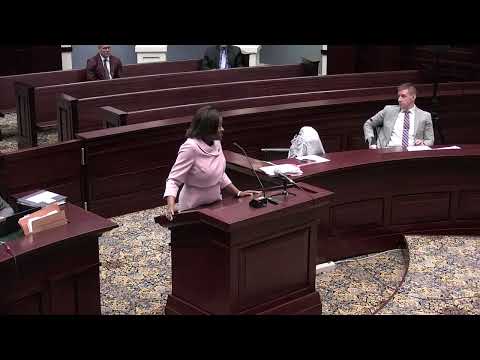
Commission discusses hybrid meeting options; members raise fairness and confidentiality concerns
Summary
Commission staff and general counsel briefed commissioners on hybrid and remote meeting options and legal limits; commissioners raised confidentiality and fairness concerns and asked staff to return with further options and cost estimates.
Commission staff and the commission’s general counsel briefed commissioners on options for remote and hybrid meetings and the legal limitations that affect confidential executive sessions.
General Counsel Steve Zukowski summarized legal guidance and attorney-general opinions: in-person meetings must be noticed with a physical location and a physical quorum present to gavel in. Zukowski said communications-media-technology (CMT) meetings—where the meeting is held remotely—require different notice and public access points but present confidentiality risks when executive sessions would include complainants and parties who might be in non-secure locations.
"If they are not in physical presence at the meeting, then they do not count towards the quorum, though they may vote," Zukowski said in explaining existing AG guidance for members attending remotely. He cautioned that fully remote executive sessions pose confidentiality concerns because the commission cannot control who is in the remote location with a party.
Commission staff described logistical options for hybrid sessions, including using the court’s facilities with Zoom or conducting meetings at Senate hearing rooms that contain built-in video boards. Staff outlined potential costs for portable technology to support hybrid meetings—examples included a Surface Hub 3 setup (estimated around $20,000) or iPads with a new soundboard (lower cost) to improve audio and video quality for hybrid participation.
Several commissioners expressed concern about fairness and optics. One commissioner noted it would be poor optics for members to attend remotely if respondents and complainants were required to appear in person, calling it "inequitable." Another commissioner suggested limited remote participation might be reasonable for health or medical reasons but not for routine convenience. A member of the public, attorney Mark Herron, urged the commission to keep current in-person deliberations noting it fosters better, more personal interaction and demonstrates respect to those appearing before the commission.
Staff said the discussion would continue and that they would return with more detailed options, cost estimates and proposed rules if the commission wishes to pursue hybrid meetings. No formal rule change or vote to adopt hybrid procedures occurred at the meeting.
Ending
The commission tabled any formal decision pending further staff research and input; commissioners asked staff to return with options and cost estimates and to consider confidentiality and fairness implications before any change in practice.