Get Full Government Meeting Transcripts, Videos, & Alerts Forever!
Get email alerts on the Healthcare Medicaid topic
No spam. Unsubscribe anytime.
Medicaid pharmacy reform fails in Utah Senate after fiscal and process concerns
Summary
Senate rejects House Bill 409, which would have shifted Medicaid pharmacy benefits delivery, after extended debate on fiscal risk, administrative burden and provider impacts; final vote 12–17.
SALT LAKE CITY — The Utah Senate on March 7 rejected House Bill 409, a proposal to change how Medicaid pharmacy benefits are delivered and paid. The bill failed on a roll-call vote, 12–17.
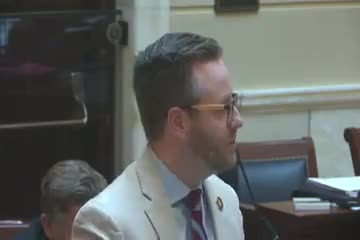
Sponsor Senator Kevin Brammer argued the change would save the state money. "If you look at the fiscal note, it saves us about $7,000,000 to our general fund every year and about $40,000,000 overall starting in 2027," Brammer said on the floor while describing the move away from the ACO/managed-care pharmacy delivery model toward a fee-for-service approach.
Opponents raised concerns about cost containment, administrative readiness and unintended consequences. Senator Karen Baldry said the Senate was moving away from the Social Services Appropriations Committee's plan to retain cost-containment mechanisms. Baldry warned of administrative problems and said, in the course of her remarks, that the move "is moving us closer to a single payer healthcare system and is socializing medicine." Baldry also argued that the state's claim-processing system (PRISM) has been unreliable and that shifting more volume could create problems during implementation.
Nut graf: Sponsors presented a fiscal case for savings and noted support from some pharmacists and pharmacy associations; opponents pointed to process concerns, previously adopted committee directions to maximize rebates, and uncertainties about administrative capacity and rate impacts. After extended floor discussion the Senate voted to reject the bill.
Key points from the floor: - Sponsor (Sen. Brammer) framed the change as a direct-pay approach and cited a fiscal study supporting savings. - Senator Baldry (opposition) and other senators raised concerns about lost cost-containment tools that managed-care organizations use, administrative strain on state claim-processing systems, and the need for broader committee review. - Senator Vickers and others urged colleagues to weigh the prior committee work and available studies before making a large programmatic change on the floor.
Outcome: Third vote failed 12–17; the bill will be returned to the House for filing.
Clarifying details: The sponsor reported outreach from pharmacists who supported the change and asserted pharmacy stakeholders were favorable; opponents cited Social Services Appropriations Committee work that had recommended a different path to savings and noted the state's fiscal and administrative complexities.
Source: Utah Senate floor transcript, March 7, 2025.