Get Full Government Meeting Transcripts, Videos, & Alerts Forever!
Get email alerts on the Boards And Commissions topic
No spam. Unsubscribe anytime.
Senate adopts substitute removing some party-balance limits for boards and commissions
Summary
Third substitute House Bill 412 passed after a contested floor debate. Sponsors said removing certain party-based appointment limits would let the governor appoint the most qualified candidates and speed filling vacancies; opponents said it risks eroding public confidence and asked for a fallback that preserves partisan balance when needed.
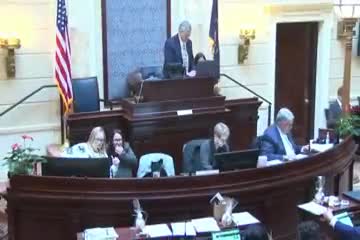
The Utah Senate adopted a third substitute for House Bill 412, a measure that modifies composition rules for some state boards and commissions.
Sponsor Senator Musselman, presenting the substitute, said the change aims to streamline appointments and allow the governor to select "the most qualified individual" for technical boards such as engineering or water-related commissions. Musselman argued that statutory party-balance mandates can leave vacancies or force awkward switches in party registration and that removing certain restrictions will improve functionality.
Senator Escamilla objected on the floor and urged colleagues to wait for a fourth substitute that would include a mechanism to preserve partisan balance when the executive branch has difficulty finding nominees. Escamilla said the current approach could repeal a longstanding practice that no more than five voting members of certain commissions be state government employees and that the change could undercut public perceptions of balanced appointments.
Supporters including Senator Weiler noted many boards deal with technical matters and that prospective appointees outside the Wasatch Front may be difficult to recruit if rigid party quotas apply. Weiler said the policy would make it easier to find qualified candidates and pointed senators to the boards.utah.gov system, where prospective members can register their interest.
After discussion, the clerk recorded the vote and announced the result: "Third substitute House Bill 412 having received 19 yay votes, 7 nay votes, 3 being absent passes this body and will be returned to the House for further consideration." The sponsor said the change was intended to improve efficiency while not preventing the governor from seeking counsel from legislative leaders or minority-party officials before appointing members.
Ending: The substitute passed on the floor amid one of the session's more extended debates about appointment processes. Opponents signaled they may press for additional safeguards in future substitutes or conference negotiations; sponsors said the change is aimed at board effectiveness and faster appointments.