Get Full Government Meeting Transcripts, Videos, & Alerts Forever!
Get email alerts on the Zoning Education Annual Report topic
No spam. Unsubscribe anytime.
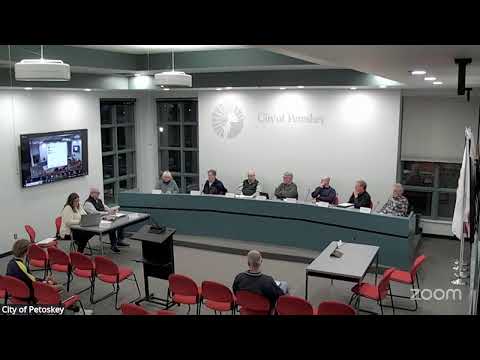
Planning commission reviews annual report, training goals and housing 'missing middle' briefing
Summary
The commission approved its 2024 annual report to city council and discussed continuing education requirements for planning commissioners and an educational briefing on 'missing middle' housing as part of the zoning code rewrite.
The Petoskey Planning Commission approved its annual report for 2024, discussed commissioner training goals, and received an educational presentation on 'missing middle' housing and approaches to reconcile density with neighborhood character as part of the ongoing zoning code rewrite.
Annual report and vote: John (planning staff) summarized the required annual report to city council, which covers 2024 accomplishments and 2025 priorities. Commissioner Charlie moved to accept the annual report as revised and recommend adoption; the motion passed by voice vote.
Commissioner training: Commissioners discussed implementing training requirements tied to reappointment. John and commissioners noted Section 2‑18 in the planning commission rules (training requirement) and suggested a modest annual target of core courses; the commission discussed seeking funding from the city for continuing education. Examples mentioned included MSU/MAP core courses and local workshops; staff noted a promotional $199 fee for an online master planning series as a potential cost.
Educational briefing on housing types: John gave an educational presentation on 'missing middle' housing—duplexes, triplexes, cottage courts and small multi‑unit infill—as background for the forthcoming zoning district and use discussions. He showed examples of modern duplexes and triplexes and discussed invisible density (how small units or accessory dwelling units can increase units per acre without high‑rise buildings). The presentation emphasized design controls (entrance placement, façade treatment, parking management) and code constraints (egress, ventilation, sprinkler triggers) to preserve neighborhood character while adding housing supply.
Why it matters: Commissioners emphasized balancing preservation and infill. Several members said increasing housing supply will support workers and downtown vitality but that policy must include tools for historic preservation, rental inspection and incentives for landlords to maintain housing quality.
Next steps: Staff will include a request for training funding in the commission’s report to council, continue public outreach on the zoning rewrite and bring specific zoning‑district proposals, definitions and code language to future meetings for deliberation.