Get Full Government Meeting Transcripts, Videos, & Alerts Forever!
Get email alerts on the Inspector General Investigations topic
No spam. Unsubscribe anytime.
Inspector General explains investigative role, referrals and COVID-era work
Summary
The city's Office of Inspector General described how it handles audits and investigations, when it refers matters to prosecutors, and its approach to COVID-era funding investigations.
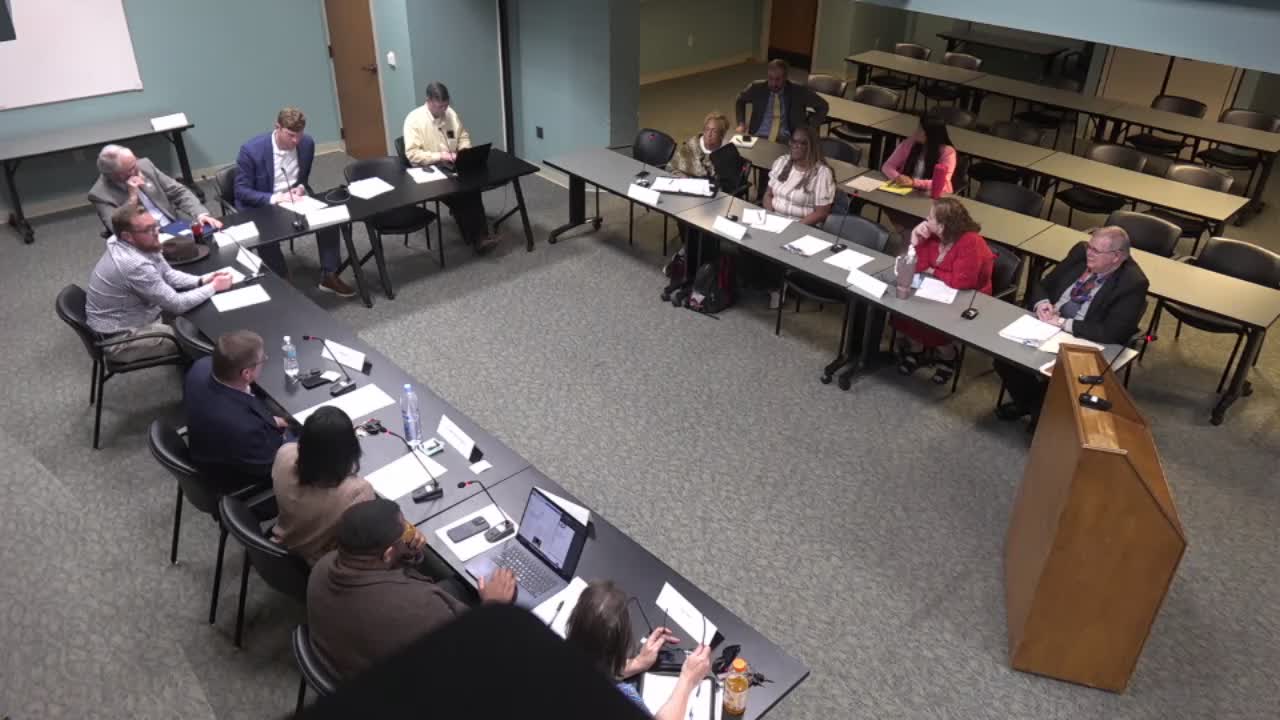
David Johnston, deputy inspector general for audits and investigations, briefed the commission on how the Office of Inspector General (OIG) and the audit function operate and when allegations are referred for criminal review.
Johnston said the OIG gathers facts and, when there is evidence suggesting malfeasance, refers cases to the investigations unit and, as appropriate, to state or federal prosecutors. "If it seems to us that it might — it should be referred for a legal entity to make that legal decision, that's what we do," he said, explaining the OIG's role as fact-finder rather than prosecutor.
Johnston told commissioners the OIG has referred cases to the state attorney's office and the U.S. attorney's office in instances where investigations showed monies spent inappropriately. He said that on the audit side the office focuses on performance and compliance audits (internal controls, policy compliance) and follows auditing standards and accreditation directives that call for follow-up on recommendations.
On high-profile referrals involving JEA, Johnston said the OIG collected facts and forwarded those materials to the state attorney for legal determination. "We're just fact finders. We can't make determinations," he said.
Johnston also addressed COVID-era federal funding. He said the office conducted investigations focused on individuals alleged to have defrauded federal funds and on whether the city had adequate internal controls. He said that by the time the OIG had sufficient staffing to pursue larger audit projects, much of the COVID-era money had already been spent, limiting the value of retrospective programmatic audits; consequently, investigations into fraudulent recipients and prosecutorial referrals became a primary focus.
Why it matters: Commissioners asked whether a de minimis threshold exists for investigations; Johnston said no fixed dollar threshold applies but limited resources and the presence of other risk factors (access to funds, employee position) affect investigative priorities.
Ending: Johnston said OIG and council auditors coordinate to avoid duplication and that the OIG maintains a mix of proactive, risk-based audits and complaint-driven investigations. He invited commissioners to raise specific audit or investigation questions for staff follow-up.