Get Full Government Meeting Transcripts, Videos, & Alerts Forever!
Get email alerts on the Public Safety topic
No spam. Unsubscribe anytime.
Senate panel advances bill shielding first responders' CISM therapy from compelled testimony
Summary
The Senate Judiciary Committee advanced House Bill 1118 after testimony from law enforcement and clinicians seeking to protect critical incident stress management sessions from subpoena, while senators debated the bill's liability language and exceptions for criminal conduct.
House Bill 1118 would bar compelled testimony or disclosure of communications made by a first responder to a Critical Incident Stress Management (CISM) service provider or peer support team member in civil, criminal or administrative proceedings, and would limit liability for employers or first responders for acts tied to those communications except in cases of 'wanton, willful, or intentional misconduct.'
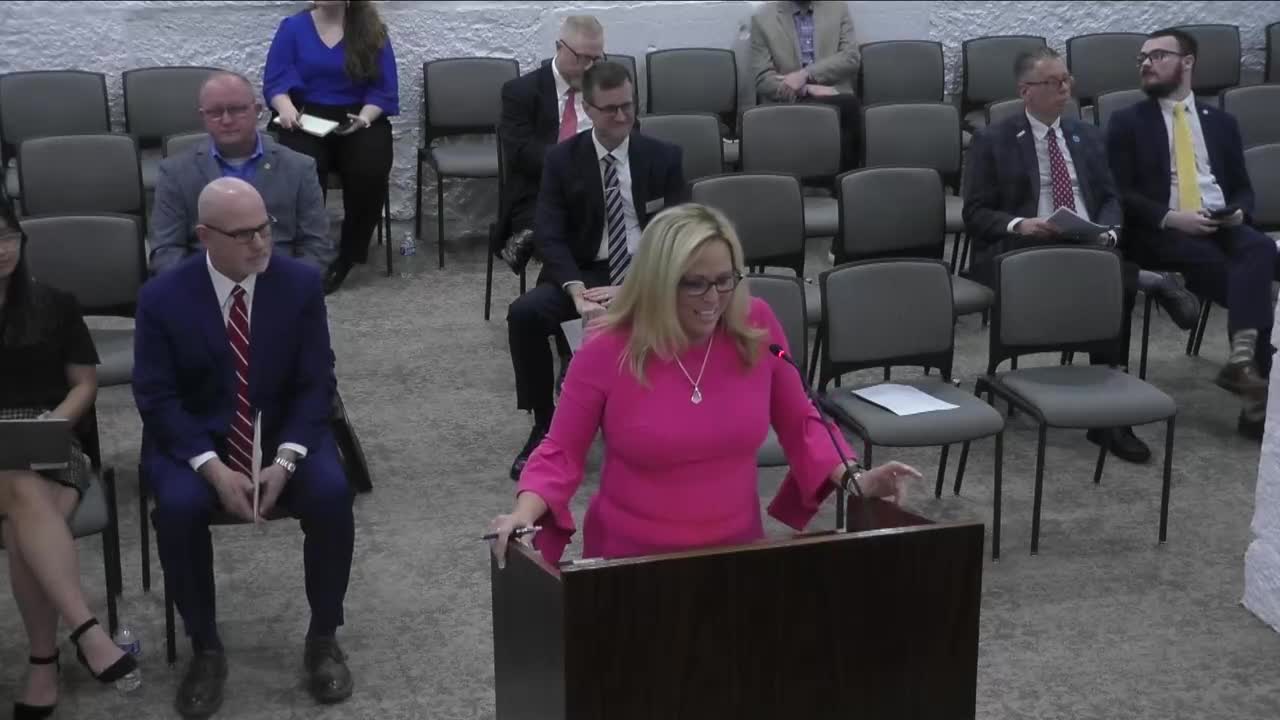
The bill drew testimony from Evansville officers and clinicians who said confidentiality is needed to encourage first responders to use CISM services after traumatic calls. "This is psychological first aid for first responders," said Representative McNamara, summarizing the bill's intent. Sergeant Mark Saltzman of the Evansville Police Department, who said he has served 29 years and is vice president of FOP Lodge 73, told the committee the law fixes a "loophole" that has allowed officers to be compelled to testify about what was said in debriefings. "These sessions are focused solely on the mental well-being of the first responders and should be protected by confidentiality," Saltzman said.
Sergeant Samuel Sidoris and Rachel Virgin, a licensed clinical social worker and certified first-responder counselor, described how group and individual CISM sessions work, and emphasized that licensed clinicians remain subject to duty-to-report obligations when disclosures indicate imminent harm or past criminal conduct. "If that was an intentional action, that would be something that would be reported to the department," Virgin said, referring to admissions of intentional criminal conduct raised during a debrief.
Supporters, including Tony Murray of Professional Firefighters of Indiana, said the bill would reduce stigma and increase the use of mental-health supports for people who routinely face traumatic incidents. Representative Baldwin, the bill sponsor, described longstanding cultural resistance in uniformed services to discussing feelings and said the bill helps create a place to "dump that glass out a little bit."
Several senators pressed over the bill's civil-liability language on page 3, asking why the statute would bar damages based on communications and whether that provision amounts to immunity from civil suit. Senator Freeman asked whether the text effectively gives "immunity," while others, including Senator Clark and Senator Taylor, sought clarity that duty-to-report obligations and criminal-liability exceptions remain intact. Committee witnesses repeatedly said the protection is for the communication itself and would not shield admissions of criminal wrongdoing or other independently discoverable evidence. "They're not immune from the liability," Saltzman said; "they cannot be held liable for damages ... based on the communication they made to the CISM team" unless the conduct meets the statutory exception.
After discussion the committee moved the unamended bill and the motion passed on a voice/roll call vote recorded as 10–0.
Votes at a glance
- House Bill 1118 — Motion to advance passed, recorded vote 10–0.
What happens next
The bill was advanced from the committee and will move on to the next steps in the legislative process. The transcript did not specify further scheduling.