Get Full Government Meeting Transcripts, Videos, & Alerts Forever!
Get email alerts on the Animal Policy topic
No spam. Unsubscribe anytime.
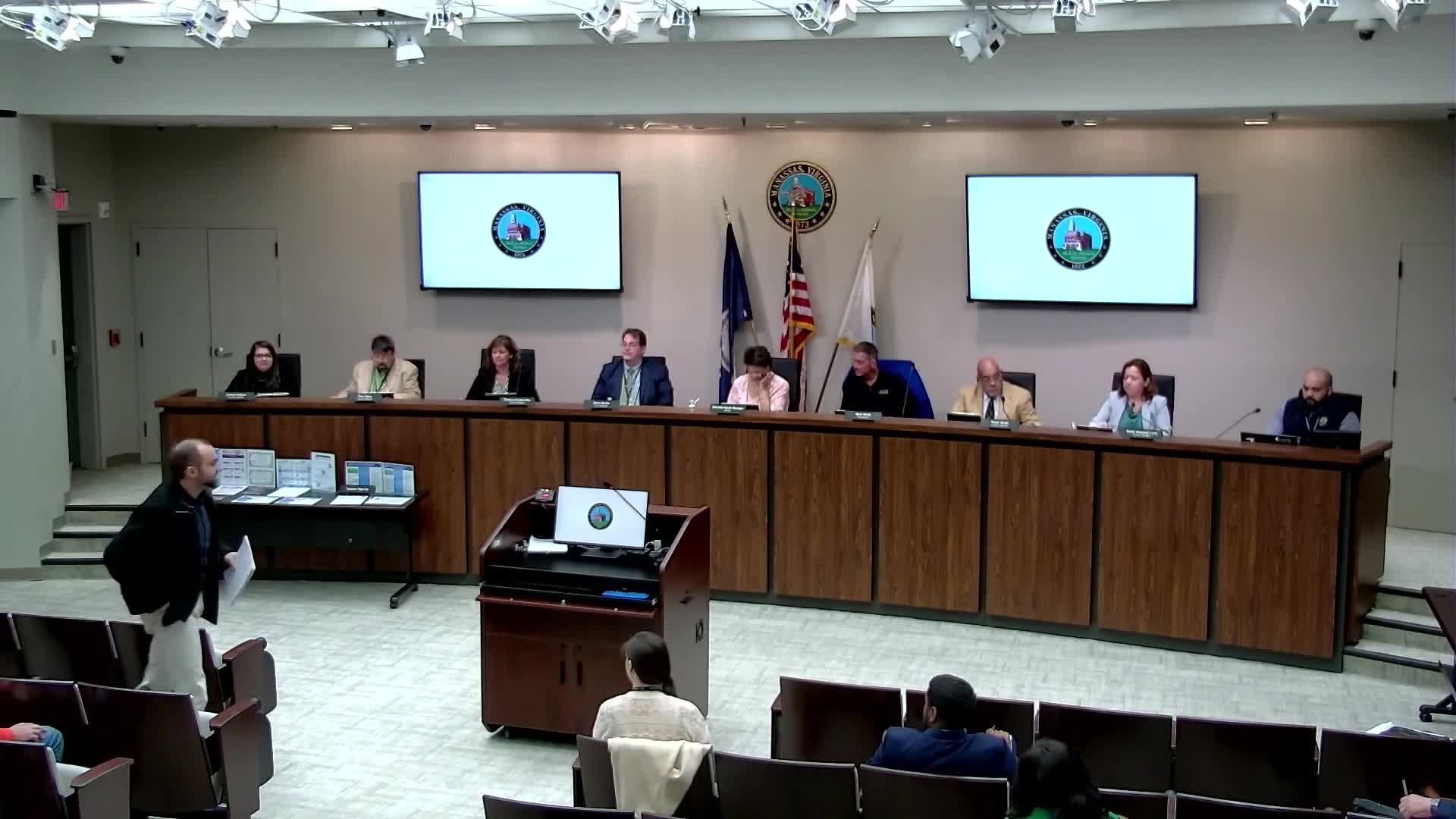
Residents Press Manassas Officials on Stalled Backyard‑chicken Petition; Staff to Meet With Petitioners
Summary
Residents seeking a city ordinance to allow backyard chickens told the Manassas town‑hall meeting they gathered about 60 signatures but saw little follow‑through from the city. City staff agreed to work with community development and meet petitioners to review concerns and potential setbacks.
Residents asked Manassas officials on Tuesday why a petition to allow backyard chickens has not advanced after signatures were collected and earlier staff discussion.
Alex Shaytaanoff, a city resident who said he had collected about 60 signatures, told the town hall he began the process about a year ago and expected a clearer roadmap after submitting signatures to council staff. “I have 60 people that are willing to support that,” he said, and told council he felt the item was dismissed at a recent meeting.
City staff and council members described prior conversations and concerns. Staff said a work session earlier produced no clear council interest to move the topic forward; staff suggested a future meeting with community development to review models from other jurisdictions and specific local concerns. Council and staff listed recurring complaints raised in prior debates: nuisance smell, noise (including concerns about roosters), enforcement difficulties, and appropriate coop siting and setbacks.
At the town hall, speakers reviewed model restrictions the city discussed in 2021: allowing chickens only at single‑family homes (excluding duplexes, townhouses and apartments) and site setbacks that were proposed in earlier drafts, including a 50‑foot setback from streams or storm inlets and a 25‑foot setback from neighboring pens or kennels. City staff asked petition organizers to provide additional documentation and offered to convene a follow‑up meeting to share examples from Fairfax and Richmond and to identify enforceable standards.
Several speakers urged the city to outline enforcement mechanisms and respond to specific worries such as discovery of a rooster after purchase, routine coop maintenance and whether coop areas must be fenced. City staff said they would coordinate with community development and public‑works staff and invite petitioners to a follow‑up discussion.
For now, the petitioners were told to continue collecting signatures and that staff would reach out to schedule the community meeting. No formal ordinance or council vote was taken at the town hall.
Looking ahead, staff said they would present any recommended ordinance language or a proposed timeline to council only after community development and petitioners have met and staff have assembled comparative models from other jurisdictions.