Get Full Government Meeting Transcripts, Videos, & Alerts Forever!
Get email alerts on the Inspection Notice Ethics topic
No spam. Unsubscribe anytime.
Committee approves law limiting public employee advance notice of inspections
Summary
The Senate panel advanced House Bill 1410, which would prohibit public employees from giving advance notice of an inspection when the disclosure is intended to improperly influence the inspection; sponsors said the change addresses documented problems at landfills and other regulated facilities.
House Bill 1410, presented by Representative Steve Unger, would add to the state employee ethics code a prohibition on providing advance notice of an inspection when the disclosure is intended to improperly influence inspection outcomes, manipulate conditions to evade detection, or provide an unfair advantage to the inspected party.
Representative Unger opened by describing complaints that Arkansas Department of Environmental Quality staff had warned operators ahead of air sampling at a landfill, allowing operators to alter conditions and produce inconclusive tests. “This came to me around the tiny town landfill,” Unger said, describing allegations that an employee tipped off a waste operator before air sampling. Unger said the bill’s intent is to criminalize pre-notice when it is meant to improperly influence inspections.
Committee members questioned how the bill would affect legitimate logistics — for example, giving notice to unlock gates, arrange escorts, or ensure someone is on site to allow access. Senator Payton asked whether routine practical notifications (so a janitor can be present with keys) would be prohibited; Unger said the language is intended to address “the spirit of lying” and that ordinary logistical notices that do not alter conditions or evade detection would be permissible. Senator Clark asked whether assessor visits or appraisal inspections could be affected. Unger said the bill was written with enough flexibility that routine access and notification for valid logistical reasons would not be criminalized.
Senators asked about enforcement and whether existing laws already covered the conduct. Unger acknowledged there are existing post-hoc remedies (e.g., prohibitions on accepting gifts or official misconduct) but said the bill aims to prevent the improper notice proactively. Committee members also raised concerns about breadth; Sen. Payton and others probed whether the measure might unintentionally affect inspections of daycares, nursing homes or chemical storage sites when legitimate notice is required. Unger said the bill targets intentional attempts to “clean up” or alter conditions to defeat detection.
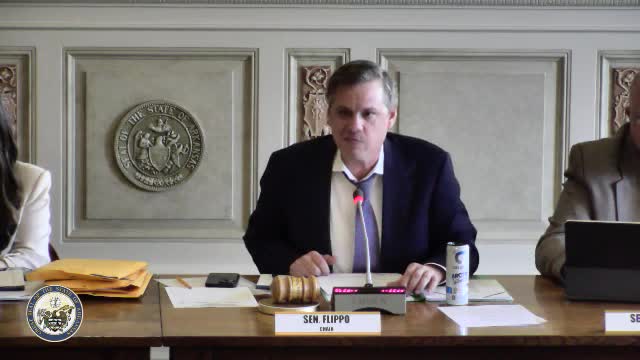
After questions, there were no public registered proponents or opponents. Senators moved to pass the bill; a voice vote recorded ayes with no recorded opposition and the chair declared the bill passed out of committee.
The bill text remains focused on misconduct — intent to improperly influence inspections — and sponsors pledged to provide clarifications if senators identify specific unintended consequences during subsequent drafting or floor debate.