Get Full Government Meeting Transcripts, Videos, & Alerts Forever!
Get email alerts on the Grandfathering Illegal Splits topic
No spam. Unsubscribe anytime.
Guadalupe County considers "grandfathering" date for long-standing illegal splits amid workload concerns
Summary
County staff proposed setting a fixed grandfathering date and a list of exceptions to the plat requirement to reduce staff workload and prevent longstanding property owners from being blocked by historical, unrecorded subdivisions; commissioners signaled tentative support and asked staff to draft language and post notice in mid-April.
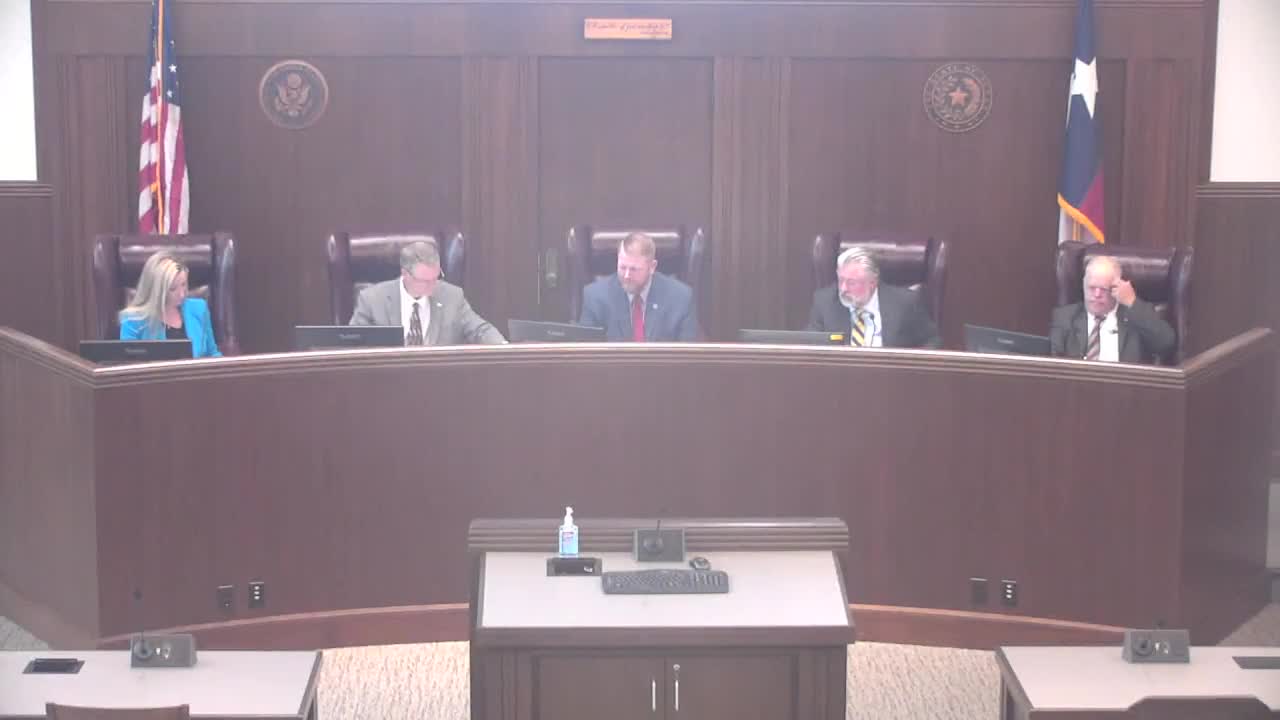
Guadalupe County officials discussed setting a fixed "grandfathering" date and a set of exceptions to the county's platting requirements at an April 1 workshop, aiming to clear a backlog of properties that were split without complying with subdivision rules.
County planning staff said the measure would let staff treat parcels that have remained in their current configuration since before a designated date as legally grandfathered for most purposes, while requiring compliance if a parcel is further subdivided. "It is taking a lot of time and resource to track down these illegal splits," county planner Daniella Valdez told the court, describing hours spent researching deeds, title work and prior county orders.
The discussion centered on what cutoff date to use. Staff said some counties tie the date to the last major regulatory update, while others use an older enforcement date; staff suggested using a recent date (2025) to reflect the intensive, recent review of property records. One participant noted September 2024 and 2021 had been cited in the conversation as possible reference points.
The county’s current rules include one local exception for loan-financing purposes; staff presented examples from neighboring counties that additionally exempt transfers to adjoining landowners, court-ordered divisions (for divorce or foreclosure), and right-of-way acquisitions. Staff emphasized the trade-offs: a robust grandfathering date would reduce the workload for Environmental Health and Planning but could create inconsistent outcomes where adjacent properties are treated differently depending on the chosen date.
Participants also discussed related technical and public-safety constraints. County staff flagged septic permitting as a major downstream issue: Guadalupe County’s current septic order requires one acre, while staff and commissioners noted state law can allow a half-acre minimum in some circumstances. Valdez said properties smaller than the county’s septic threshold would still face limits and that septic wording would need adjustment if the court adopted broad grandfathering.
Road and driveway access was another recurring concern. Commissioners and staff described safety and spacing constraints for driveways on county roads and the need for Road & Bridge to retain authority to deny unsafe driveway permits even where a parcel is grandfathered. AASHTO and TxDOT guidance were cited as commonly-used references for spacing and sight-distance decisions.
The court reached a tentative consensus to have staff draft a proposed grandfathering date and a short list of exceptions, post notice and return to the court for formal consideration. Staff said meeting notice would need to be posted if the court planned to act; commissioners discussed posting notice on April 15 and potentially taking formal action later in April.
The court did not vote on a final date or adopt an ordinance at the workshop; staff will prepare draft language for future agenda items and follow up on septic-order and driveway-permit language.
The county’s planner said staff will return with a refined draft and additional details for the court’s review before any regulatory change is posted for formal action.