Get Full Government Meeting Transcripts, Videos, & Alerts Forever!
Get email alerts on the Overtime topic
No spam. Unsubscribe anytime.
City presentation warns overtime in fire, police and solid waste could add about $72M to general‑fund spending
Summary
Deputy City Controller Will Jones told the Budget & Fiscal Affairs Committee that overtime for fire, police and solid waste is at or near record levels and could increase general‑fund personnel spending by tens of millions this fiscal year; auditors will examine overtime practices further.
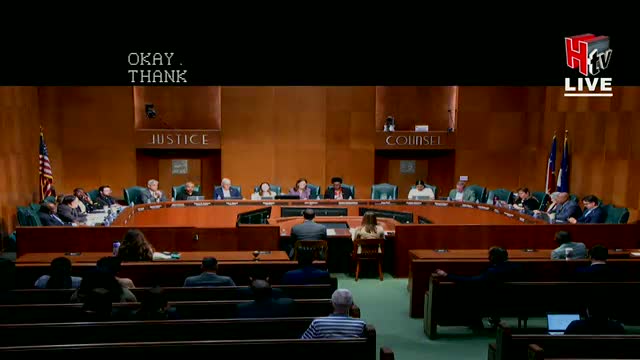
Deputy City Controller Will Jones told the Budget and Fiscal Affairs Committee that overtime is a major driver of the city's projected fiscal shortfall and that three areas—fire, police and solid waste—account for the bulk of the increase.
Jones said overtime represents about $65 million of the FY2025 general fund personnel budget and that the controller's office projects combined overtime for fire, police and solid waste could exceed department budgets by roughly $72 million; the monthly report already captured about $59 million of that increase. Jones told the committee the controller's office is monitoring a potential structural shortfall of about $330 million in the FY2025 operating budget once recurring and nonrecurring items are carried forward.
Jones reviewed department‑level trends. Solid waste, he said, has exceeded its overtime budget in seven of the past ten years and is projected to spend about $7.1 million in FY2025, roughly double its 2016 level. Jones highlighted persistent staffing shortages for critical classifications—senior side‑loader operators and refuse truck drivers—and said average overtime hours and payouts are concentrated among a relatively small set of employees. "The average solid waste overtime worker already received about $13,000 in overtime pay" through the July–March payroll window Jones analyzed, he said.
For the Houston Police Department, Jones said overtime has exceeded budget every year in the last decade and the FY2025 projection of about $39.8 million surpasses the current budget by roughly $26.1 million. Jones noted a possible additional exposure of about $12 million if federal grant funding does not cover overtime related to certain initiatives. "Police has been able historically to manage overtime through vacancy savings," Jones said, but that buffer is eroding as vacancies are filled.
Fire department overtime showed the largest year‑over‑year increase. Jones reported an FY2025 projection of about $88 million in overtime, almost triple the 2016 figure and roughly $42.7 million above the current budget. He flagged multiple causes: overtime, an increase in phase‑down pay (a program that allows eligible firefighters nearing retirement to remain on payroll while using accrued leave and retaining active insurance), expanded special pays, and response costs tied to the winter storm Enzo that are not eligible for federal reimbursement.
Jones described actions the city has taken to recruit and retain staff—pay increases, limited sign‑on bonuses and additional cadet classes for HPD—but said those measures had not yet produced a sustained reduction in overtime. He told the committee the city had added vehicles to the solid waste fleet and increased contracting for heavy‑trash pickup, but overtime trends continued upward. Jones also said the controller's audit division plans a formal engagement to probe overtime drivers and payroll controls.
Committee members pressed for operational alternatives and more granular data. Council Member Joaquin Martinez and others asked for deeper analysis of how service delivery models and shift patterns might reduce overtime. Council Member Abby Kamen cautioned that many solid waste employees are low‑paid and work strenuous schedules; she urged care in any policy changes affecting those workers. Fred Flickinger asked what percentage of overtime payout results from more hours worked versus higher hourly overtime rates after recent pay increases; Jones said pay‑cycle hours and payroll data were part of the staff analysis and offered to provide additional breakdowns.
Jones concluded that, with salary savings unlikely to offset the projected overtime exposure, the fund balance may be the remaining near‑term option to cover costs unless other revenue or expenditure changes emerge. The committee asked for follow‑up information on hours, top earners, and details about premium and double‑time payments introduced in recent collective bargaining agreements.