Get Full Government Meeting Transcripts, Videos, & Alerts Forever!
Get email alerts on the Municipal Budget topic
No spam. Unsubscribe anytime.
Rolling Hills Estates projects $221,000 preliminary surplus despite drop in building-permit revenue
Summary
City staff presented a midyear budget review showing a preliminary $221,000 surplus on an operating basis, citing lower expenditures and interest-income shifts that offset a decline in building-permit revenue. Council moved to receive and file the report and directed staff to prioritize capital projects.
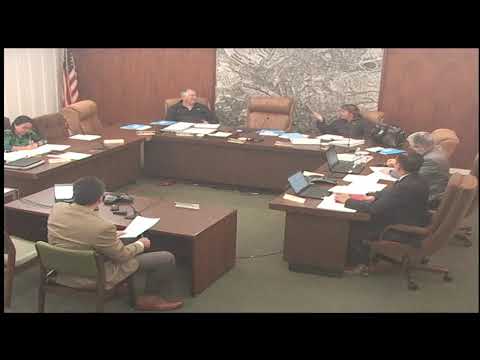
At a Rolling Hills Estates City Council meeting, staff reported a preliminary operating surplus of about $221,000 for the current year despite a notable decline in building-permit revenue that accounts for most of the shortfall.
The midyear presentation, given by Robert (staff member), showed the adopted budget had included a $206,000 operating surplus. Staff now project a slightly larger surplus because expenditures are running below budget even as some revenue lines decline, particularly building permits, which staff estimated accounted for roughly a $200,000 shortfall so far this year.
Robert said, “So, big drop. I know that, John worked with the county to get this data for us. Don't know what would have caused that decline.” He added the city is seeing some offset from investment income after shifting funds into short-term instruments: “We did this before last year and we did it again more recently, where we shifted money from our LAFE account into CDE's, short term CDE's to take it, like all of you I'm sure have done.”
Why it matters: the surplus (even if reduced from earlier projections) affects which capital projects the council can advance and how much is available beyond the city—s contingency reserve. Staff said preliminary projections for next year assume revenue growth into the roughly $2,600,000 range and a preliminary operating surplus of about $133,000, but emphasized those numbers will be revised through the budget process.
Key fiscal details provided in the presentation included: - Adopted operating surplus: $206,000 (adopted budget) - Preliminary projected year-end surplus: approximately $221,000 - Preliminary operating surplus projected for next year (status quo assumptions): about $133,000 - Building-permit shortfall: roughly $200,000 (attributed primarily to lower permit activity) - Interest-income history and projection: staff said interest receipts were previously in the ~$26,000 range in earlier years, budgeted at "110" this year and expected to hit about "140" (units not specified in the transcript); staff attributed gains to short-term investment shifts - Salary savings in the city administrator—s office: $93,000 (vacancies in the first half of the year) - Timing-related nondepartmental savings: about $40,000 (invoicing/timing effects) - Reserve policy level cited: $3,000,000; staff said available funds above contingencies were in the "$700,000 to $800,000" range
Staff described several accounting and categorization clarifications: some consulting costs (for project management) previously charged to the general fund are being charged directly to capital projects instead to more accurately capture project costs. Records-management and insurance timing produced temporary apparent savings that staff said should normalize by year-end.
The council and staff discussed capital priorities and potential reallocation of funds if the council chooses not to proceed with certain projects. Councilmembers asked for a clearer breakdown of project "buckets" and the amounts allocated to each project so the council can decide which projects to advance. One councilmember noted the value of finishing projects on the existing list: “I mean, we started 900 things, and I think it'd be nice to get something off the list.”
Projects and grants discussed during the meeting included a sewer extension associated with Rolling Hills Road and a federal grant referenced as roughly $1 million; staff said the city—s local share for getting sewer service to the connection point would be about $200,000 (the transcript presents that figure as an estimate). Staff also discussed two utility grant projects and potential use of "Rule 28 credits" as a local match to reduce city cash costs.
On next steps, staff said they will meet with other council members and prepare options showing which capital projects can move forward, where existing allocations are held (project "buckets"), and whether funds could be moved from one project to another if the council decides to defer a previously-approved project.
The council moved to "receive and file" the midyear budget report. Councilmember 3 made the motion and Councilmember 2 seconded; the transcript does not record a roll-call or a formal recorded vote, and the meeting proceeded after the motion was resolved.
Robert closed the presentation by noting staff will continue revising the numbers as the city moves toward the budget adoption process next spring and will provide the requested project-bucket breakdown to the council.