Get Full Government Meeting Transcripts, Videos, & Alerts Forever!
Get email alerts on the Affordable Housing topic
No spam. Unsubscribe anytime.
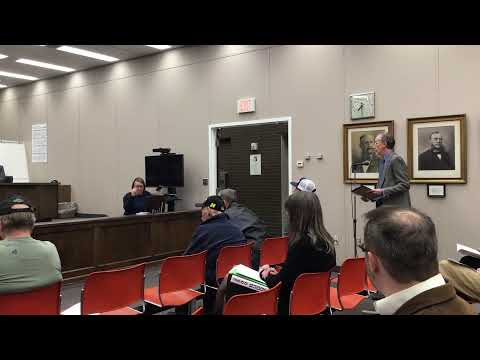
Jamestown public hearing examines reallocation of $640,000 in HOME funds for Gateway site cleanup
Summary
Jamestown held a public hearing on a proposed amendment to its five‑year action plan to reallocate $640,000 in unspent HOME program funds to site preparation and soil remediation for the Gateway housing project.
Jamestown held a public hearing on a proposed amendment to its five‑year action plan to reallocate $640,000 in unspent HOME program funds to site preparation and soil remediation for the Gateway housing project. Several residents and housing advocates urged the city to approve the reallocation so environmental cleanup and a sub‑slab depressurization system can begin; other speakers urged caution about timing, federal HOME requirements and fiscal responsibility. The council did not vote during the hearing and said it would consider the allocation later in its regular session.
Supporters said the funds would speed a project that proponents say will add permanent supportive housing. "A 10 units of permanent supportive housing would be real transformative," Josiah Lamp said, identifying himself as working with Choctawoke Opportunities and as chair of the Chautauqua County Homeless Coalition. An unnamed chairperson of the Healthy at Home — Chautauqua Healthy Housing Coalition said the site preparation is important "regardless of the future use of that parcel," and warned of erosion and contaminants reaching the nearby creek without remediation. "I encourage council to approve the amendment, as written and reallocating that $640,000," the speaker said.
Developer and project representatives told the council that the requested funds could pay for immediate remediation work that otherwise would have to be borrowed and carried for years while the full project financing and state approvals proceed. A project representative identified in the hearing as Steve said the team has a letter of intent from an investor and expects to submit a full state application around July, with construction potentially beginning around February of the following year. Steve said sub‑projects such as a sub‑slab depressurization system and removal of contaminated soil could be segregated and paid for immediately with the $640,000: "We could use the money, right away. It would be very beneficial for this project to be able to spend this money upfront and get this soil remediation done," he said.
Speakers also raised legal and fiscal questions about using HOME funds for the Gateway site. Resident Doug Chapp urged the council to confirm whether the city's Department of Development had requested a written HOME amendment or time extension from HUD, noting federal HOME rules that, in his reading, require that projects receiving HOME assistance have financing secured, underwriting completed and construction scheduled to start within 12 months of the agreed date. "If none of this has been done to date, the allocation of $640,000 is mutual," Chapp said, reading from the program regulations and arguing the council should know whether a HUD amendment or extension has been filed.
Another speaker, Dr. William May, a former Jamestown council member, said he supported amending the plan to preserve the funds for the Gateway project and expressed concern about grants being rescinded if funds are not committed in time. Other residents opposed using the money now; one resident argued that the project "is not gonna fail because of $640,000" and urged careful stewardship of taxpayer funds.
Speakers described several project‑level financial and technical details during the hearing: the developer said the overall project cost is large compared with the $640,000 request; a commentator cited a $77,000,000 project number that would make $640,000 less than 1% of total costs. The developer and staff described the city's work on a pilot (PILOT) agreement tied to property tax assessment methodology under New York Real Property Tax Law §581‑a, and the developer said New York State brownfield tax‑credit reimbursement rules mean the project would complete remediation, then wait extended periods for reimbursement — requiring either upfront capital or grant assistance for cleanup.
The council president noted the hearing was limited to comments on the HOME reallocation and reminded participants that the regular council meeting would follow; any formal council action on the allocation was not taken during the hearing. City staff indicated they can provide fund‑draw tracking and additional documentation to council members and members of the public.
Next steps: the council will consider the amendment and any formal motion during its scheduled regular voting session later the same evening; no vote on the $640,000 reallocation was recorded during the public hearing.