Get Full Government Meeting Transcripts, Videos, & Alerts Forever!
Get email alerts on the Charter Schools Local Control topic
No spam. Unsubscribe anytime.
House passes bill aimed at boosting locally approved charter schools; opponents warn of erosion of local control
Summary
The Georgia House approved Senate Bill 82, a bill that aims to increase the number of locally authorized public charter schools by adding reporting requirements, accountability triggers for repeated denials and a modest multi‑year incentive for districts that approve charters.
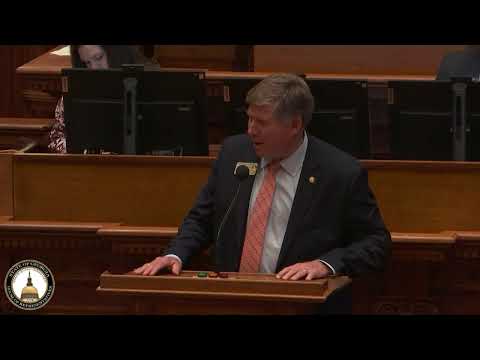
The House approved Senate Bill 82 after extended debate over local control, finance and the role of charter schools in Georgia’s public education system. Representative Scott Hilton, speaking for the bill, described it as “a common sense compromise bill” that would encourage school districts to approve more locally authorized public charter schools and require local boards to provide written rationales within 20 business days after denying a petition.
Under provisions explained on the floor, the bill would add transparency obligations for local boards, create district accountability triggers (loss of certain flexibility contracts in repeated denial cases) and offer up to $250,000 per year for three years as an incentive to local systems that approve new locally authorized charters. Supporters argued the changes would expand options for families; Representative Jones, who spoke in favor in chairs time, said the state has approved dozens of charters while local approvals are rare.
Opponents across the chamber called the measure coercive and said it undercuts elected school boards. Representative Lisa Campbell said the bill “erodes local control” and “will further defund our public schools,” calling the funding incentives “payoffs” and arguing the law pressures boards to approve petitions against their judgment. Representative Jasmine Clark and others warned the incentive grants are subject to appropriation and not guaranteed, and that the bill could force districts into difficult financial and accountability positions.
After the chair's time and minority report, the House adopted the committee substitute and passed the bill; the clerk recorded the vote as yeas 107, nays 62. The sponsor said the measure focuses on expanding public charter options that remain within public systems and overseen by public‑school teachers and retirement plans.