Get Full Government Meeting Transcripts, Videos, & Alerts Forever!
Get email alerts on the Urban Growth Boundary topic
No spam. Unsubscribe anytime.
Roseburg urban growth boundary swap draws support from local employers, opposition from land-use groups
Summary
House Bill 3,921 would approve a UGB land swap for Roseburg and Douglas County that proponents say could enable up to 673 homes; opponents say the Legislature should not short-circuit local land-use review after DLCD remanded the local decision.
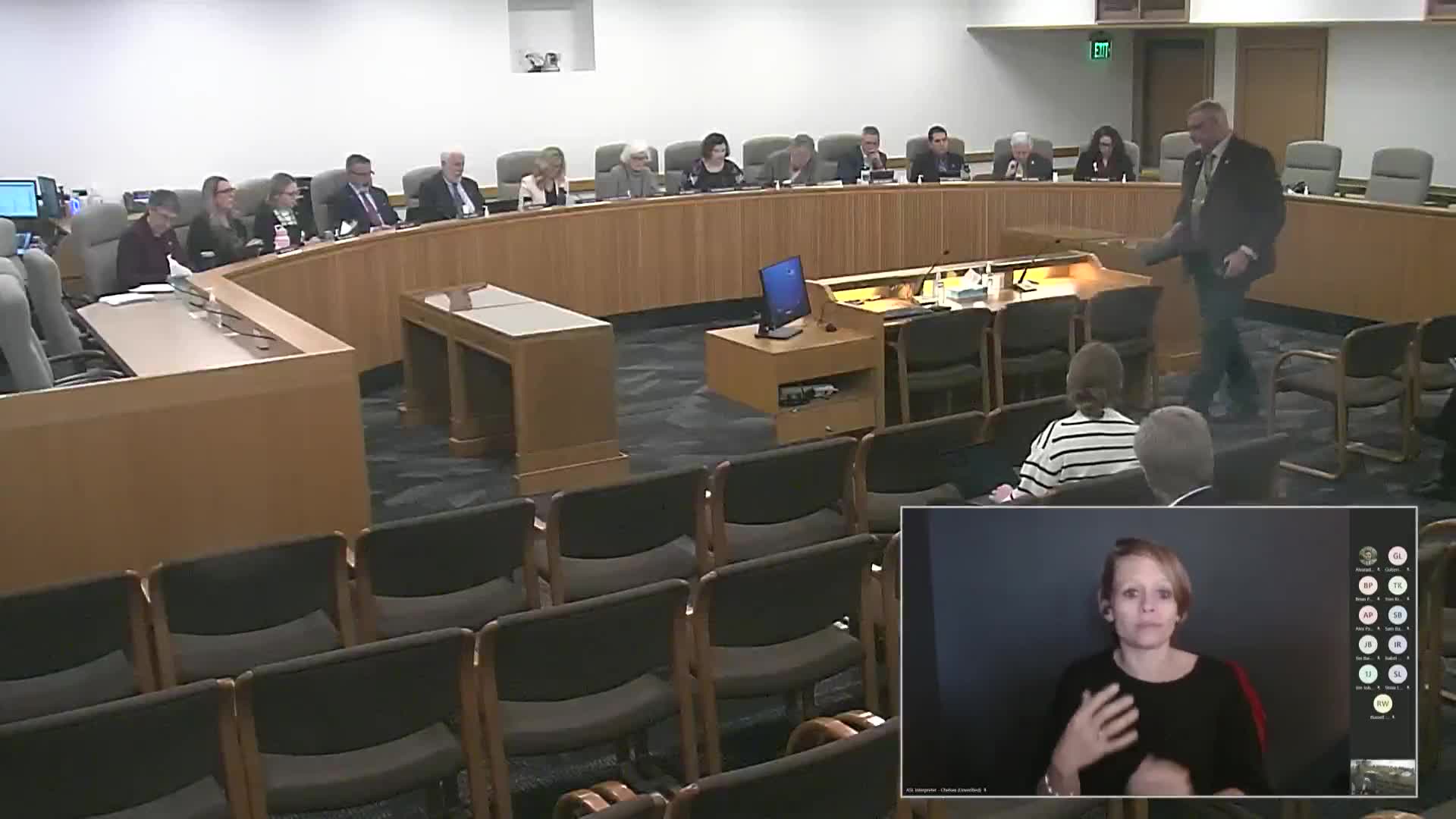
House Bill 3,921, a bill to implement a local urban growth boundary (UGB) exchange between the city of Roseburg and Douglas County, drew sharply divided testimony at a March 31 House Committee on Housing and Homelessness public hearing.
Proponents — including city officials, business leaders and the county — said the swap would replace steep, infrastructure-challenged parcels inside Roseburg's UGB with flatter, serviceable land and could enable hundreds of new homes. Opponents, including 1,000 Friends of Oregon and Central Oregon Land Watch, urged the committee not to intervene in a local, fact-specific land-use process that is already subject to public objection and a remand from the Department of Land Conservation and Development (DLCD).
Rep. Virgil Osborne introduced the bill and yielded time to Roseburg officials and community members who described the local planning history. Nikki Messenger, city manager for the City of Roseburg, said the proposal would remove about 290 acres of steep hillside from the UGB and add roughly 220 acres that the city says is already served by city water and is in the main service area. "This could provide for up to 673 homes," Messenger said. City and county planning bodies, Messenger said, had approved the exchange; opponents filed objections and DLCD remanded portions of the decision for additional, technical analysis.
Mayor Larry Rich framed the measure as the culmination of decades of planning. "The Charter Oaks area has had a long history that makes it ideal for future urban growth," Rich said, noting repeated local attempts since the 1980s and the city's ownership of the water system that serves the area. Stuart Cowie, Roseburg's community development director, told the committee the city needs about 93 single-family units per year but has averaged 26, and that even the proposed 673 homes would cover only about 36% of forecasted demand for single-family units in the city.
Local business and institutional leaders emphasized workforce and service impacts. Russell Woolley, president and CEO of CHI Mercy Health, said the hospital struggles to recruit because of limited housing: "Our greatest hurdle when recruiting new team members is the lack of housing opportunities in this community." Douglas County Commissioner Tom Kress said the swap would give landowners of steep, undevelopable parcels an option to revert to county jurisdiction where different development standards may be appropriate.
Opponents argued the state should not approve a site-specific land-use decision by legislative fiat. Mary Kyle McCurdy of 1,000 Friends of Oregon said the city "generally complied with state law" but asserted that objections filed and the DLCD remand show the local process must be allowed to conclude: "We are concerned about the precedent this could set for the legislature stepping into very local, fact-specific projects." Rory Isbell, staff attorney for Central Oregon Land Watch, said the state land-use system is working and that legislative approval would circumvent public participation and appeal rights.
Committee members asked staff and witnesses about the status and timing of the DLCD remand and appealed decision; city witnesses said a hearing before the Land Conservation and Development Commission had not been scheduled and that June was the earliest possibility. Several witnesses noted the risk that repeated additional analysis would be costly and could be appealed again, prolonging the timeline for development.
The committee closed the public hearing without a committee vote on the bill. Several witnesses recommended the Legislature consider longer-term changes to the UGB land-swap process; 1,000 Friends and land-watch groups urged strengthening the local process rather than offering site-specific legislative fixes.
The bill's supporters and opponents agreed on one point: the local process has been lengthy. The committee did not take final action and left the bill in committee for further consideration.