Get Full Government Meeting Transcripts, Videos, & Alerts Forever!
Get email alerts on the Juvenile Justice topic
No spam. Unsubscribe anytime.
House rejects juvenile-court warrant bill after heated debate; members later vote to reconsider
Summary
Senate Bill 8, which clarifies arrest-warrant procedures for juvenile courts acting as courts of inquiry, failed to pass after floor debate raised concerns about expanding arrest powers. Later, the House voted to reconsider its action, sending the bill back for further consideration.
The Georgia House rejected Senate Bill 8 on Wednesday after extended debate over whether the bill restates existing law or improperly expands arrest powers for juvenile court judges. The House later voted to reconsider that failure.
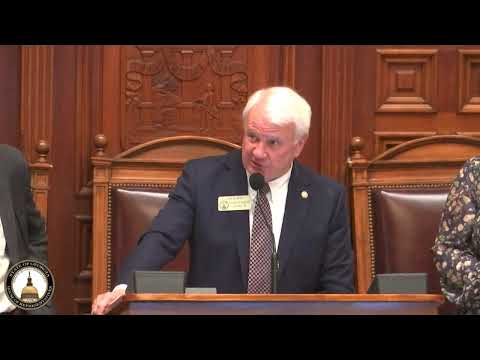
Representative Mandy Ballinger, the bill’s sponsor on the floor, said SB8 "clarifies existing statutory authority of the juvenile court to act as a court of inquiry" and restores cross-references to Title 17 procedures. Ballinger said the bill "reaffirms existing law" and that the Council of Juvenile Court Judges had no objection.
Opponents, including Representative Mary Margaret Oliver, urged caution. Oliver said she was concerned about what she characterized as an "expansion of arrest powers," warning that allowing juvenile judges to issue arrest warrants across jurisdictions could create confusion and conflict with local law-enforcement protocols.
Representative Park Cannon and other members asked detailed questions about whether the bill affected investigatory powers of DFACS (Division of Family and Children Services) or otherwise altered existing procedures; sponsors responded it was intended to clarify and not expand jurisdiction or investigative authority.
On the recorded vote, SB8 failed to receive the constitutional majority, with the yeas at 79 and the nays at 87. A subsequent motion to reconsider the House’s action on SB8 carried on a separate recorded vote, 94-74, meaning the bill will be taken up again at a later time.
Why it matters: The debate centered on clarifying statutory procedure versus changing the scope of judicial arrest authority. Supporters said the bill reduces confusion by aligning juvenile-court procedures with Title 17; opponents said the legislation could upend local protocols and expand powers without sufficient guardrails.
Next steps: Following the successful motion to reconsider, the House will take SB8 up again later in the week; the transcript shows leaders said they would address it at a later time but did not announce a new floor schedule in the excerpt.