Get Full Government Meeting Transcripts, Videos, & Alerts Forever!
Get email alerts on the Service Areas topic
No spam. Unsubscribe anytime.
Residents press Kodiak Island Borough on service-area drainage, quorum rules as assembly moves draft ordinance forward
Summary
Citizens described chronic drainage and flooding on Woodland Drive and other roads; the assembly discussed code, complaint handling, quorum problems and voted to move a draft ordinance on service-area meeting accountability forward for formal consideration.
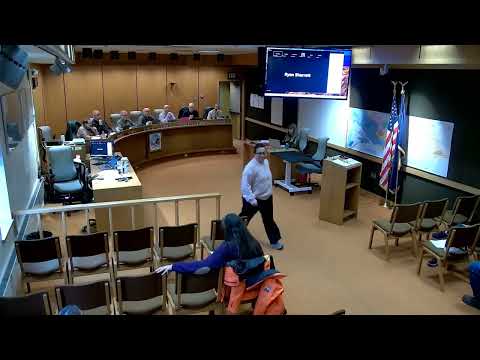
Several residents told the Kodiak Island Borough Assembly on March 27 that chronic drainage problems in Service Area 1 have damaged property and that the borough’s service-area governance needs clearer rules and better complaint tracking.
The complaints opened the evening’s discussion on service-area governance, which ended with the assembly agreeing to place a draft ordinance addressing meeting frequency and board accountability on a future agenda for first reading. The ordinance would require clearer meeting frequency expectations and provide the assembly a mechanism to address repeated failures to meet or to maintain member participation.
Julianne Curry, a Service Area 1 resident, told the assembly she and other residents have spent months seeking repairs on Woodland Drive and proposed a seven-point list of improvements to the borough’s service-area process. “My first recommendation is to clearly define the role and responsibilities of the service-area boards,” Curry said during public comment. She also urged reviewing service-area boundaries, limiting board size, improving feedback methods, reconsidering chair compensation, prohibiting borough elected officials from voting on service-area boards, and enforcing meeting-frequency requirements.
Other speakers described property damage they attribute to poor drainage. Caller Tom Lance, representing residents of the Menasha Bay service area, said his board has struggled to maintain a quorum for nearly four years and warned that stricter quorum rules could hurt small, low-population service areas that already have trouble filling seats. “If we lose one member, if we only have three and we lose one, we can’t have a quorum,” Lance said by phone.
Local property owners Jeremy Young and Craig Gustafson described ponding and rising water near their homes on the lower end of Woodland Drive, saying culverts are submerged and foundations are being affected. Leo Fernandez showed photographs and asked the borough for more permanent drainage work including culverts and grading.
Assembly and staff discussion during the work session focused on three areas: clarifying the statutory role of service-area chairs and boards; improving transparency and availability of budgets and contracts; and centralizing a complaint/requests intake so issues are time-stamped and visible to staff and boards.
Borough Manager Amy Williams told the assembly that a road-service-area complaint form already exists online and is routed to staff; she said staff will make the form easier to find and will consider wider distribution of complaint reports to boards. “We can definitely do a better job in making that more accessible on the website,” Williams said.
Several assembly members urged improvements beyond the website. Assembly member Jared (first name only in the record) said the code is “muddy” about who supervises service-area administration and recommended a code review to clarify whether the borough manager or an elected chair has final administrative authority on contracts and operations.
Assembly members also debated remedies for boards that cannot sustain a quorum. Suggestions included (1) allowing manager-led action when a board cannot convene, (2) combining very small service areas or holding joint meetings while keeping funds separate, and (3) creating clearer, published expectations so residents understand when and how to hold boards accountable. Manager Williams cautioned combining areas may be politically sensitive because service-area tax revenues are raised from distinct neighborhoods and residents may not want their funds pooled with another area.
The assembly’s consensus at the end of the discussion was to move the staff-drafted ordinance forward for formal consideration and to seek additional input from service-area chairs and residents before adoption. There was no roll-call vote recorded in the work session transcript; the item was advanced for future agenda placement so the assembly and staff can collect feedback and possible refinements.
What’s next: staff said they will update the borough website to make the complaint form easier to find, will circulate the service-area recommendations and proposed ordinance text to chairs and boards for comment, and return the ordinance for formal introduction and first reading on a future agenda. Several assembly members proposed forming a small working group to review code language and produce a recommended draft before first reading.
Votes at a glance
- Draft ordinance on service-area meeting frequency and accountability — outcome: referred/placed on a future agenda for first reading (no roll-call recorded during the work session).