Appeals court hears challenge to use of blurred hotel video and counsel—s strategy in State v. Vargas
Loading...
Summary
The Utah Court of Appeals heard arguments in State v. Vargas about whether trial counsel was ineffective for not introducing an unblurred hotel video and whether the victim—s testimony was so inconsistent it should be removed under Robbins.
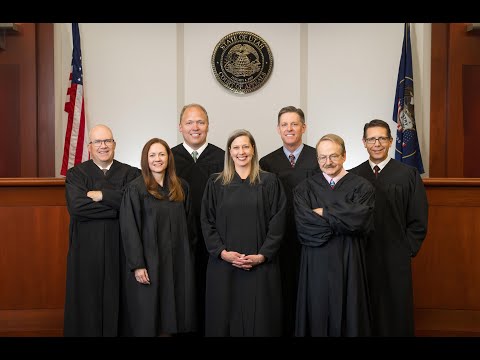
The Utah Court of Appeals on Thursday heard argument in State v. Vargas, a criminal appeal that centers on whether trial counsel was ineffective for failing to offer an unblurred hotel surveillance video and whether the alleged victim—s testimony was so internally inconsistent that it cannot be relied on under the Robbins doctrine.
The issue matters because the unblurred footage, defense counsel argued, would have shown the alleged victim unclothed and moving about the room in a way that could have undermined her credibility; the state said the video was properly blurred to protect privacy and dignity and that the remaining evidence still corroborates lack of consent. The court took the case under advisement and will issue an opinion.
At argument, Matt Howell, representing appellant Oscar Vargas, told the three-judge panel the core claim is that trial counsel—s failure to show an unblurred version of hotel footage deprived Vargas of effective assistance. Howell said the unblurred video would have permitted jurors to see "she appeared completely naked right in front of him," and that seeing the unedited footage could have a "real impact" on a jury—s evaluation of credibility. Howell argued the jury—s ability to evaluate the sole witness on the issue of consent was central to the Sixth Amendment claim and relied on the line of cases he invoked in briefing.
Natalie Edmondson, arguing for the state, said the video played at trial was blurred to preserve the victim—s privacy and dignity and that the blur still made clear the woman was unclothed. Edmondson told the court the state had asked the jury to view a censored version and that defense counsel—s current argument that the uncensored footage would have improved the defense—s case is unpersuasive: "competent counsel could reasonably decide not to parade a video of her naked body in front of the jury," she said, noting risk of inflaming jurors and questions about whether the footage was taken surreptitiously.
The panel questioned both sides closely about how the blurred and unblurred videos differ in what jurors could reliably see. Judge Oliver pressed Howell on whether the difference was substantive or chiefly a matter of the footage—s emotional impact, asking whether the contribution of an unblurred image would be permissible if it appealed to jurors— emotions. Howell replied the unblurred footage would affect jurors— assessment of credibility and that juries make credibility determinations based on what they see in evidence.
Argument also addressed the appellant—s Robbins-based challenge, which asks the court to treat the victim—s testimony as inherently unreliable because of alleged material inconsistencies. Howell pointed to a list of claimed discrepancies, including whether the victim was carried down a hallway versus walking and whether her clothing had been removed before certain moments. Judges probed whether those differences were genuinely material or merely alternative word choices and whether other trial evidence (bartender testimony, surveillance footage of stumbling, text messages) amounted to corroboration.
Edmondson told the panel that alleged inconsistencies are matters for the jury and that Robbins and later cases rarely support excluding testimony as a matter of law; she urged the court to affirm. She also argued that trial counsel in this case preserved many of the same themes now raised on appeal and that the district court likely would have excluded the uncensored video or limited its use even if defense counsel had attempted to offer it.
During rebuttal Howell emphasized that his Robbins argument focuses on the totality of the witness—s trial testimony and its alleged material inconsistencies, and alternatively urged reversal or, if insufficient for reversal on that ground, remand for consideration of ineffective assistance and admission of the unredacted video.
The court indicated it would take the matter under advisement and issue an opinion in due course.
Ending: The case was submitted for decision. The panel said it would "do our very best to issue an opinion as soon as we can."