Get Full Government Meeting Transcripts, Videos, & Alerts Forever!
Get email alerts on the Jury Misconduct And Evidence Preservation topic
No spam. Unsubscribe anytime.
Court of Appeals hears arguments in State v. Mendoza over juror contact and lost glove evidence
Summary
At a Utah Court of Appeals oral argument, counsel for Alex Mendoza argued the trial court erred by denying a new trial after alleged juror contact and by allowing the state's loss of potentially exculpatory gloves; the state said the record did not show prejudice. The court took the matter under advisement.
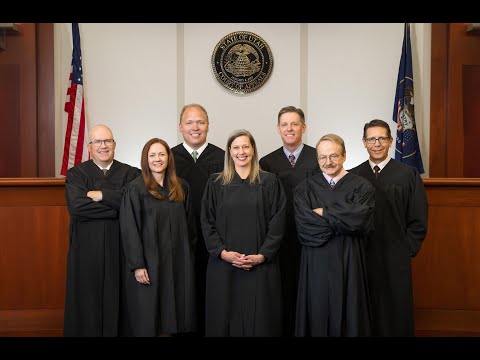
The Utah Court of Appeals heard argument at 9:30 a.m. on the appeal in State of Utah v. Alex Mendoza, focusing on whether an alleged juror's outside contact and the loss of a pair of gloves required a new trial or dismissal.
Appellant's attorney Hannah Levitt Howell told the three-judge panel that Mendoza raised two errors: first, that a juror received extraneous, prejudicial information and had contact with an outsider; and second, that the state was responsible for losing potentially exculpatory evidence. Howell said the record suggested "the juror believed this was a big gang case, when there was no evidence that mister Mendoza was affiliated with the gang," and argued the trial court should have held an evidentiary hearing rather than resolve the issue on affidavits from the defendant's supporters.
Why it matters: juror contact or exposure to extraneous information can undermine a defendant's right to a fair trial, and lost evidence that could be exculpatory can trigger relief if it creates a reasonable probability of a different outcome.
Howell asked the panel to consider Remmer and related authority that, when a juror has outside contacts, the court should "determine the circumstances, the impact thereon upon the juror, and whether or not it was prejudicial in a hearing with all interested parties permitted to participate." Howell said the affidavits suggested the juror told her husband she was "scared because of the verdict," the husband attempted to enter the courthouse armed, and the juror later had contact with him — facts Howell said justified an evidentiary hearing. Howell also pointed to the jury instructions, which warned jurors that even a Google search "could result in a mistrial."
On the lost-evidence claim, Howell argued the missing gloves could have shown a stippling pattern consistent with a contact wound, which the forensic examiner said would indicate a shot fired from less than 36 inches; by contrast, the defense presented evidence everyone agreed placed Mendoza 10 to 20 feet away. "If Alex had fired the shot, it could not be a contact wound," Howell said, adding that the glove evidence fit other defense facts including cell-phone location data and Ring-camera footage that showed the white sedan Mendoza's defense says left before gunfire.
Assistant state attorney Ginger Jarvis responded that the trial court did not abuse its discretion. Jarvis said the comment by the man outside court that his wife or girlfriend was "nervous about the verdict can go very clearly either way" and argued the juror had other trial evidence and observations that could have suggested gang affiliation. Jarvis told the panel that, on the record presented, it was a "huge inferential leap" to conclude a juror had been exposed to extraneous prejudicial information or violated her oath.
Panel questioning focused on standards for obtaining an evidentiary hearing and on whether the affidavits submitted below were sufficiently non-speculative to warrant further inquiry. One judge asked whether the affidavits were primarily from family and friends and whether that affected entitlement to a hearing; counsel for Mendoza replied that admissibility at that stage is less important than whether the affidavits raised material disputed facts that an evidentiary hearing could resolve.
Both sides agreed there is some speculation in the record about how the husband obtained information and whether any outside communication actually influenced deliberations; Howell emphasized that an evidentiary hearing would allow the court to probe those uncertainties. The state urged deference to the trial court's finding that there was no substantial adverse effect to a party's rights.
The panel did not rule from the bench. Judge Mortensen asked the state to rejoin for further briefing and said the court would take the matter under advisement and issue an opinion in due course. The court then recessed until 10:15 a.m.
The hearing record shows the appeal raises two discrete legal questions: (1) whether trial counsel and the defendant were entitled to an evidentiary hearing on juror contact and exposure to extraneous information, and (2) whether the loss of gloves the defense says could be exculpatory meets the governing standard for relief. The court's forthcoming opinion will resolve whether the trial court abused its discretion on either point.