Get Full Government Meeting Transcripts, Videos, & Alerts Forever!
Get email alerts on the Public Lands And Recreation topic
No spam. Unsubscribe anytime.
Senate advances bill to form Sustainable Foraging Task Force after DNR says it is not pursuing active rulemaking
Summary
Senate File 14-64 would create a Sustainable Foraging Task Force to develop science‑based recommendations for managing foraging on state lands. The DNR told the committee it is not currently pursuing foraging rule changes; the committee adopted amendments and referred the bill to the Rules Committee.
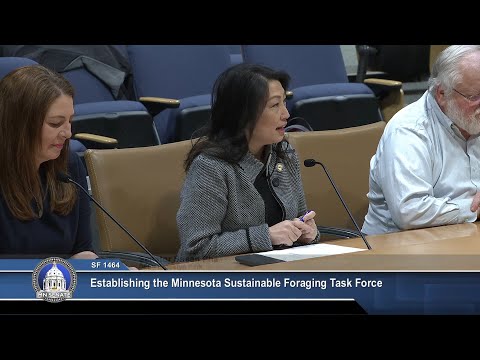
Senate File 14-64, sponsored by Senator Carolyn Pah, would establish a Minnesota Sustainable Foraging Task Force to provide lawmakers with recommendations grounded in traditional ecological knowledge, science and data about foraging on public lands.
Advocates including Tara Erickson and Peter Martignacco of the Minnesota Mycological Society testified in favor, saying foraging is a longstanding cultural practice shared by Indigenous peoples, immigrant communities and many Minnesotans and that robust stakeholder involvement and science-based rules are needed before any limits or restrictions are imposed. They said DNR staff had previously suggested a one‑gallon limit in early discussions, which foragers say would not accommodate many species and would be inconsistent with established sustainable harvest practices.
Bob Meyer, assistant commissioner at the Minnesota DNR, told the committee the agency is not actively working on foraging rules at this time and had withdrawn prior rule language. Meyer said the state manages more than five million acres and that only about 230,000 acres are state parks; the DNR said it will work with the task force if the Legislature directs it but asked for clarification on language in the amendment about the department providing subject-matter resources.
The committee adopted an amendment (A7) to adjust task-force membership, add a requirement that the task force elect a legislative chair at its first meeting and provide per diem and expense reimbursement mechanics. After discussion the committee recommended the bill, as amended, and referred it to the Rules Committee.
Opponents urged caution about adding another state body and asked that legislators consider directing the DNR to halt any rulemaking intended to restrict foraging, but DNR witnesses said a statutory prohibition on future rulemaking would be problematic for future management needs. The bill now goes to Rules for any further floor action and fiscal consideration.