Lifetime Citizen Portal Access — AI Briefings, Alerts & Unlimited Follows
Unidentified speaker urges global action on waste, fast fashion and plastics
Loading...
Summary
An unidentified speaker at a United Nations event called for governments, businesses and consumers to accelerate action on the global waste crisis, highlighted harms from textile production and urged a legally binding treaty on plastic pollution, citing disproportionate impacts on low-income communities and waste pickers.
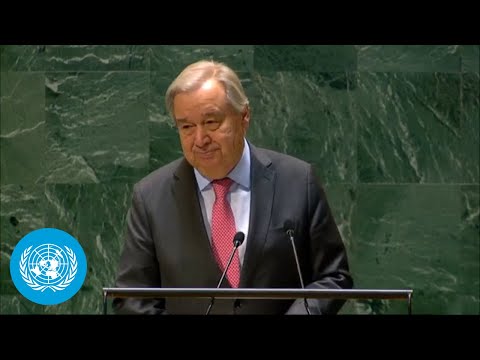
An unidentified speaker (role/title not specified) urged governments, businesses and consumers to accelerate action on the global waste crisis and to translate international commitments into concrete policies and accountability measures.
"The waste crisis is an issue that goes to the heart of how we produce and how we consume," the speaker said, adding that textile production uses "thousands of chemicals, many of them harmful to people and the environment." The speaker also said that every second "the equivalent of one garbage truck full of clothing is incinerated or sent to landfill."
The speaker placed particular emphasis on fast fashion and textiles as a visible driver of waste, and on plastic pollution as a priority for imminent international action. On the latter, the speaker highlighted ongoing negotiations for "a legally binding treaty to end plastic pollution, due in August," calling that process "a key opportunity for governments to drive progress." The speaker urged governments to translate any treaty "into action to support consumers to make environmentally friendly choices and into a clear road map across industries."
The address included global-scale figures to underscore the problem: "Every year, humanity produces over 2,000,000,000 tons of garbage," and "more than 1,000,000,000 people live in slums and informal urban settlements where waste management is nonexistent," the speaker said. The remarks noted that the wealthy world is sending waste to the global South and that many nations lack infrastructure to process imported and domestic waste, with waste pickers exposed to hazardous materials.
The speaker called for coordinated action across sectors: governments should adopt policies, regulations and subsidies to promote sustainability and zero-waste initiatives; businesses should increase circularity, reduce waste and improve transparency; and consumers should use purchasing power to favor durable products and resale markets. The speaker also warned against "greenwashing" and demanded accountability for corporate sustainability commitments.
The speech referenced sectoral initiatives and partnerships, saying designers are experimenting with recycled materials and resale markets are expanding. The speaker named the "fashion industry charter for climate action" and "the fashion pact" as examples of industry efforts and urged support for United Nations advisory efforts on zero waste to raise awareness and help meet the Sustainable Development Goals.
The address closed with a call for civil society and young people to continue advocacy and for all stakeholders to "clean up our act and build a healthier, more sustainable world for us all," and included a closing thanks to the secretary-general.