Get Full Government Meeting Transcripts, Videos, & Alerts Forever!
Get email alerts on the Historic Preservation topic
No spam. Unsubscribe anytime.
Architectural assessment finds major structural and envelope needs at historic Garden ‘‘Bridal’’ facility; city to phase repairs
Summary
An architectural assessment presented March 27 found the city'owned historic Garden Bridal building is structurally sound but in need of phased structural, roof and mechanical repairs estimated at several million dollars for full restoration.
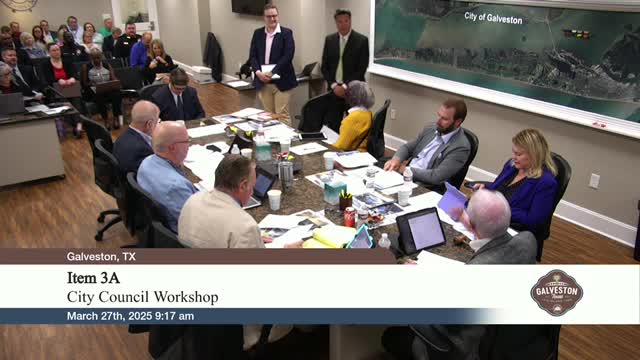
The city's contract architect presented a facility assessment of the historic Garden Bridal building and told council the structure is fundamentally sound but requires phased repairs to its structural posts, roofing, mechanical systems and finishes.
Don LaBiche of LaBiche Architectural Group reviewed the building's condition and told council "the good news is that it's relatively level. We don't see any big foundation problems with the building." But he detailed areas that need work: rotted wood columns that support the inner cupola, localized masonry/stone repairs, sections of rotten exterior siding, failing HVAC ductwork under the building, and aging roof membranes. He also recommended upgrades to the building's sub‑floor ventilation and to close openings that allow animals and debris under the floor.
Parks staff told council that maintenance crews and city crews have completed a set of immediate "low hanging fruit" repairs since receiving the architect's report and that staff intends to sequence larger repairs in phases to limit budget impacts. City staff estimated a full renovation to modern, near‑new condition at about $3.8 million, but proposed to pursue the work in priority phases beginning with structural repairs and weatherproofing; staff also said some preservation fund balances and HOT/HOT‑related funds targeted for historic preservation could be considered to fund work.
Council members stressed the importance of retaining the building as a revenue‑generating rental venue while preserving its historic fabric. LaBiche recommended repairs be phased: stabilizing decayed columns and supporting rings first, roof replacement and mechanical upgrades next, then accessibility and envelope improvements, and finally finishes and acoustical measures. "It's a real gem," he said. "We need to do it right, and it's well worth it for the city as well as for tourism industry because it's highly utilized."
Next steps: staff will return with a phasing plan and cost breakdown and will explore use of the city's historic preservation fund for initial priority repairs. LaBiche's firm will assist on scope and bid documents as needed.