Get Full Government Meeting Transcripts, Videos, & Alerts Forever!
Get email alerts on the Consumer Protection Solar topic
No spam. Unsubscribe anytime.
House approves stronger consumer protections for residential solar sales
Summary
Third substitute House Bill 57, which enacts registration, disclosure, employment-status, and payment-schedule rules for residential solar sales in Utah, passed unanimously in the House and will go to the Senate.
The Utah House on Feb. 27 passed third substitute House Bill 57, a bill expanding consumer protections for rooftop and residential solar customers. The bill passed the House unanimously and will be transmitted to the Senate.
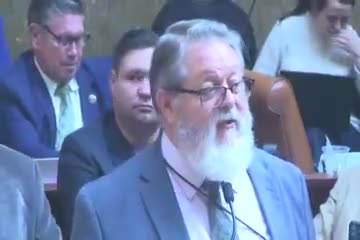
Representative Jack, who presented the bill, said HB 57 strengthens required disclosures, sets a minimum performance threshold for promised electrical generation, requires solar sales representatives be W-2 employees (not independent contractors), and establishes progress-payment rules so homeowners are not left with incomplete installations after paying large sums. Jack said the reforms follow more than a year of work with the Office of Consumer Protection, industry participants and the interim business committee.
Jack told the chamber that the bill increases transparency about expected system performance (a threshold of 80 percent for promised generation was mentioned in debate), requires registration of installers and checks on sales personnel, and sets a payment schedule with a final balloon payment only due after completion and functioning as expected. He said the changes were shaped by industry suggestions and consumer-complaint patterns.
Representative Albrecht rose in support, calling the bill a meaningful improvement. The sponsor noted the measure responds to a pattern of door-to-door sales practices and companies that have dispersed liability by treating sales staff as contractors.
The House recorded 72 yes votes and 0 no. The bill will be transmitted to the Senate for consideration.