Get Full Government Meeting Transcripts, Videos, & Alerts Forever!
Get email alerts on the Regional Trails Commission topic
No spam. Unsubscribe anytime.
Committee reviews bill to authorize Midwest Continental Divide Commission for trails and ecotourism in St. Joseph County
Summary
Senate Bill 468 would authorize St. Joseph County and South Bend to form a five‑member Midwest Continental Divide Commission to create a regional trail system and coordinate associated economic development and financing.
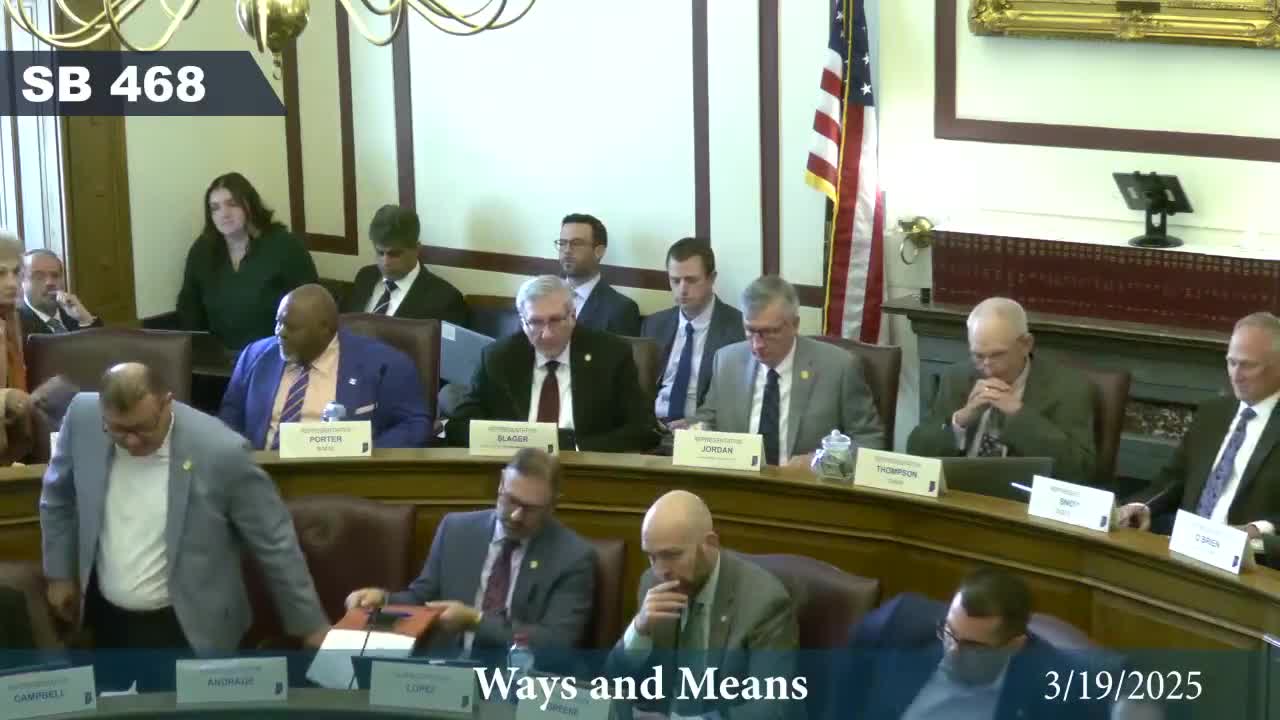
Senator Naskoski and House sponsors presented Senate Bill 468 to authorize St. Joseph County and the City of South Bend to establish the Midwest Continental Divide Commission, a five‑member body intended to coordinate planning, land acquisition, financing, and development of a trail system and adjacent economic development.
Under the bill the commission would include appointments by the speaker of the house and the senate president pro tempore, the county commissioners, the mayor of South Bend, and the chair of the Pokagon Band of Potawatomi. The sponsor described a vision that connects lakes near the airport up to the Michigan line and links Potato Creek State Park, the Indiana Dinosaur Museum, North Liberty, Lakeville, New Carlisle, the Pokagon reservation and South Bend’s west side.
Senator Naskoski said the commission could pool development financing, buy and sell land, and issue debt for economic improvement projects. Local testimony included Sean Peterson of a law firm representing Community Redevelopment Partners and officials from the city and county, who said the structure is intended to enable coordinated, cross‑jurisdiction planning and to create a uniform standard for trail development and tourism product that can attract an overnight visitor economy. Witnesses said projects are already in planning and that passage would provide a statutory framework to proceed.
Committee members asked about appointment mechanics and whether the commission should include minority‑party appointees; the sponsor said the intent was to keep the board small and noted some appointees might be non‑legislators with relevant expertise, and he indicated flexibility on details. Members also asked about bonding and revenues; counsel and witnesses said any local debt would require local legislative approval and that financing would be drawn from multiple sources, public and private. The committee took no immediate action and held the bill for further consideration.