Get Full Government Meeting Transcripts, Videos, & Alerts Forever!
Get email alerts on the Film And Media Tax Credit topic
No spam. Unsubscribe anytime.
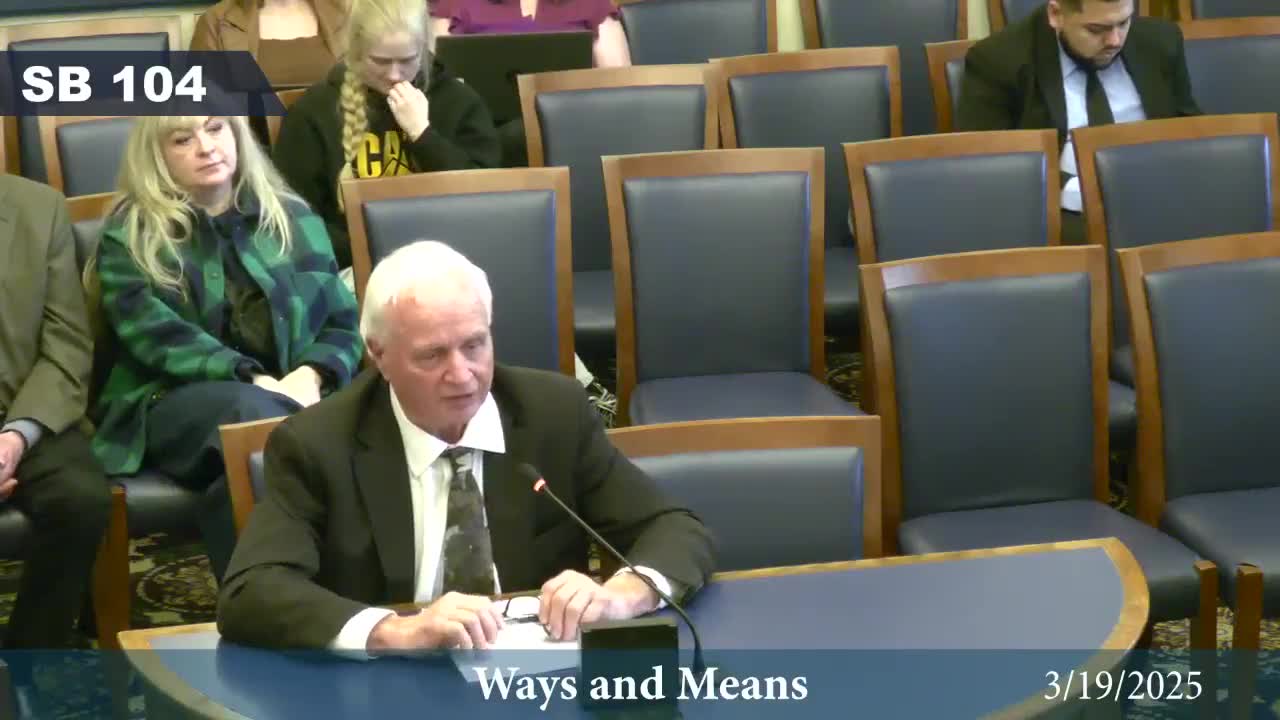
Committee hears push to make Indiana film and media tax credit transferable to grow local production
Summary
Senate Bill 306 would make Indiana's film and media tax credit transferable to improve competitiveness for production and to help keep work and graduates in the state.
Senate Bill 306 was presented to the House Ways and Means Committee as a structural change to Indiana's film and media tax credit: make the credit transferable (and thus more attractive to producers and investors) and thereby boost the state’s ability to retain film and commercial production and creative‑economy jobs.
Senator Zay and Representative Heine described the proposal as a modest step to make the existing production tax credit competitive with neighboring and regional states that offer higher or refundable/transferable credits. Testimony highlighted that the current Indiana credit has been little used and that surrounding states (Illinois, Ohio, Kentucky and others) offer more competitive packages. “Indiana's Filming Credit is non‑transferable and non‑refundable, making it significantly less competitive,” Scott Carr said during testimony for the City of Huntington. Carr and Mayor Richard Strick described local projects, including Huntington University film productions, and argued that transferability would let producers and education programs monetize credits to support local production infrastructure.
Commercial producers and production companies said they routinely take work across state lines for tax reasons. Kevin Grazioli, who runs an Indiana production company, said he filmed $2 million worth of work in Illinois in part because of transferable/refundable incentives there; he asked the committee to broaden the bill’s administration to allow commercial production to qualify in practice. Greg Sorvig of Heartland Film and Greg Malone (producer) said the change would keep graduates and small‑ and mid‑budget productions in Indiana and encourage private investment in studios and facilities.
Economic development and chamber witnesses pointed to regional examples showing high return on investment from film incentives and recommended transferability to attract projects and retain creative talent. Witnesses asked the committee to pair transferability with a modest, capped program and guardrails; several cited the experience of other states that have expanded incentives since the pandemic.
No final action was taken; the committee held the bill for possible further consideration.