Get Full Government Meeting Transcripts, Videos, & Alerts Forever!
Get email alerts on the Health Care topic
No spam. Unsubscribe anytime.
Committee hears hospital price-transparency bill as advocates and hospital groups clash
Summary
Supporters told the Senate Committee on Health Care that Senate Bill 1060 would give patients clear, comparable dollar prices for common hospital services; hospital associations and health systems warned the state-level law would duplicate federal rules, create administrative burden and risk confusing consumers.
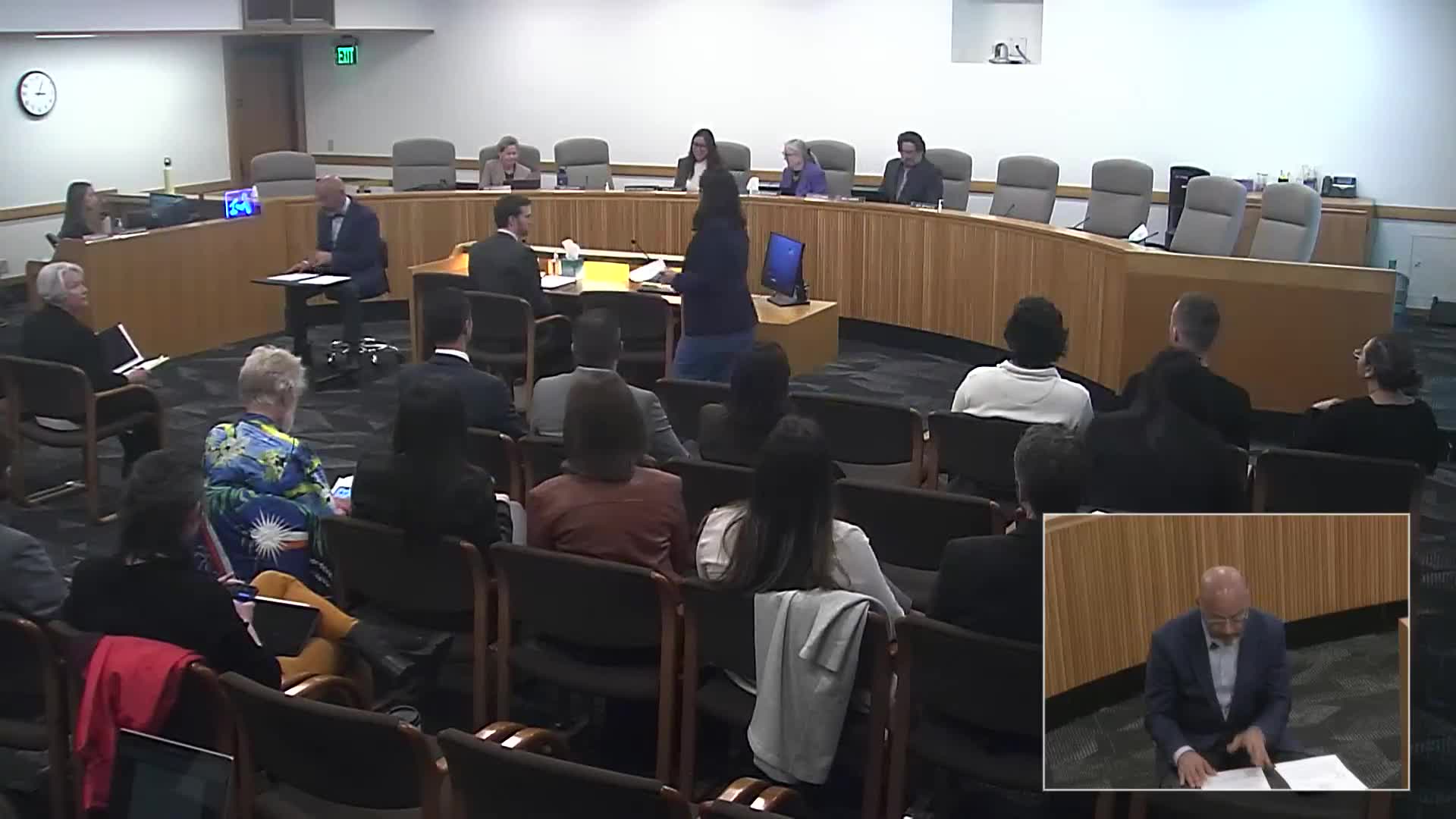
Senate Bill 1060, a measure that would require Oregon hospitals to publicly disclose standard charges for medical services in clear dollar amounts and provide a state-level enforcement mechanism, drew sharply divided testimony at the Senate Committee on Health Care on March 27.
Proponents said the bill is intended to make it possible for Oregonians — especially people on high-deductible plans, the uninsured or underinsured — to see and compare the out-of-pocket cost they would face for “shoppable” services such as MRIs, elective surgeries and mammograms before receiving care. "This bill is essentially aimed at doing two things: making sure that when folks are out getting health care at a hospital, that they know the price upfront... and making sure hospitals in Oregon follow the rules that are already in effect," said State Representative Willie Choateson during the public hearing.
Senator Winswe Campos, the chief Senate sponsor, said the bill would require posting “an actual price… a dollar amount, not an algorithm, not a projection,” and would create a private right of action limited to circumstances in which a hospital seeks debt collection for a charge that should have been transparently posted. "Patients should be able to know the cost of their care and the current lack of transparency leaves them in the dark," Campos said.
Hospital leaders and trade groups urged caution. Ari Levin, director of coverage policy and state issues for the American Hospital Association, said federal price-transparency regulations already exist and CMS has increased auditing and enforcement since 2021. "Given this activity, additional enforcement at the state level is not only not necessary but could, in fact, be counterproductive," Levin told the committee. Becky Holtberg, president and CEO of the Hospital Association of Oregon, said SB 1060 would impose duplicate duties, drive administrative costs and expose smaller, rural hospitals to litigation risk. "Senate Bill 1060 will divert scarce health care dollars from patient care and frontline workers," Holtberg said.
Proponents and independent analysts countered that federal implementation has been uneven and that data available on some hospital websites are unusable. Charlie Fisher, State Director at a statewide public-interest group, reported that a review of 59 Oregon hospitals found only 20 (34%) had pricing information the group judged “useful and usable,” while 61% had serious accessibility limitations and three hospitals had no pricing information posted. Ahmed Marmoush, CEO of Handle Health, said his company and benefits consultants often encounter machine-readable files that are blank, coded in opaque formats, or otherwise unusable for building consumer tools.
Supporters pointed to out-of-state examples where similar laws coincided with higher compliance: Patrick Neville, who helped pass a similar Colorado law, said Colorado’s enactment led to higher compliance and few lawsuits. Opponents emphasized the risk of inconsistent state and federal reporting formats and urged the state to focus on coordination and implementation rather than new penalties.
The committee did not take final action on SB 1060 on March 27. The public hearing was closed for the day after more testimony; committee staff and members asked colleagues to review written materials and data that had been submitted, and the committee will consider next steps at a later date.
Ending: The hearing captured a persistent tension between consumer advocates pressing for stronger, state-level enforcement and hospital groups warning about duplication, administrative cost and litigation risk. The committee closed the public hearing and signaled follow-up work and review of submitted analyses before any work session or vote.