
Subcommittee hears broad support for HB 5011 shelter, eviction-prevention and preservation funding
Get AI-powered insights, summaries, and transcripts
Sign Up Free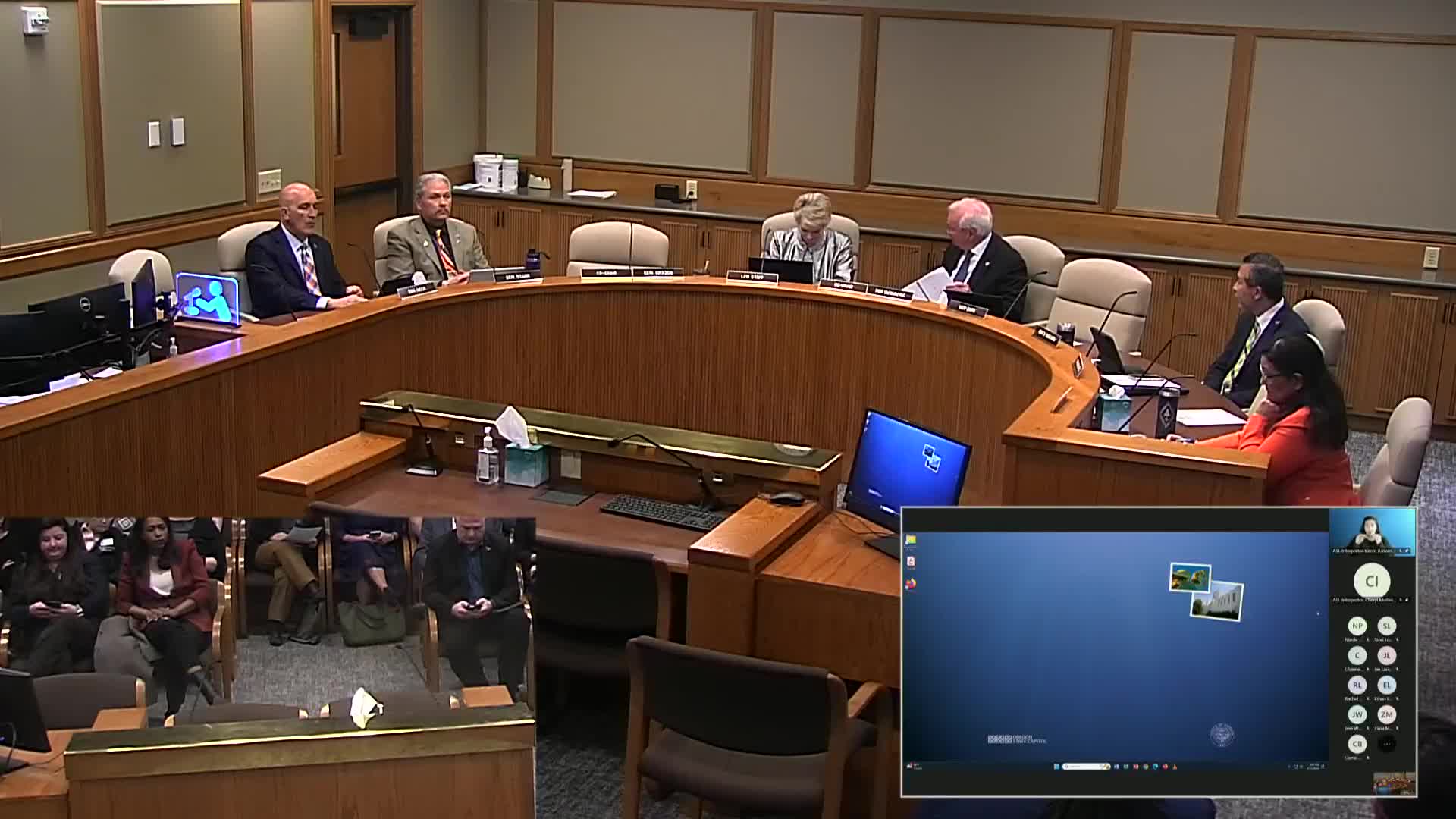
Summary
Witnesses and local officials told the Transportation and Economic Development Subcommittee on March 27 that House Bill 5011should preserve shelter funding, expand eviction-prevention and youth emergency housing, and boost preservation and homeownership programs across Oregon.
Salem —7 March 27 —7 The Transportation and Economic Development Subcommittee of the Ways and Means Committee held a public hearing on House Bill 5011 on March 27, hearing more than 40 oral testimonies urging continued and expanded investments in shelters, eviction prevention, youth emergency housing and preservation of existing affordable homes.
The hearing drew mayors, housing providers, community action agencies, legal services groups and faith-based organizations who described shelter operations, rental-assistance programs and preservation needs that they said require steady state funding. Chair Dan Gomberg opened the record and said 42 people were registered to testify and that testimony would be limited to two minutes per speaker.
Why this matters: Supporters told the subcommittee that cuts to the Oregon Housing and Community Services (OHCS) budget would reduce shelter capacity, shrink eviction-prevention programs and imperil older affordable buildings. Witnesses gave examples of people who moved from streets into services funded by current OHCS programs and urged lawmakers to maintain or augment the governor's recommended investments.
Portland Mayor Wilson, who testified early in the hearing, told the committee that "Portlanders and Oregonians agree ending unsheltered homelessness must be a shared priority for all of us." He cited the governor's inclusion of $218,000,000 in recommended shelter funding and said the scale of unsheltered homelessness requires state partnership. "With 40 percent of the state's unsheltered homeless population in Multnomah County, we need to focus on addressing unsheltered homelessness first and foremost," he said.
Local shelter operators and community action agencies described year-to-year gains that they said depend on continued state support. Jimmy Jones, executive director of the Mid Willamette Valley Community Action Agency, said funding "the state shelter system, keeping those beds available and filled, with people who would otherwise be on our streets is a vital priority for the state of Oregon, so I encourage your support for this bill." Jones described his agency's operations in Salem, including multiple shelters and youth programs.
Advocates pressed the committee to protect several elements of the OHCS budget request: ongoing shelter operations (often cited as POP 501), emergency rent assistance and homelessness prevention (identified by witnesses as POPs 504 and 505), youth emergency housing assistance (YEEHA, commonly called "Yeehaw" in testimony), and preservation and acquisition funds such as LIFT and targeted preservation proposals. Lacey Beatty, mayor of Beaverton and chair of the Metropolitan Mayors Consortium, urged support for a state partnership to maintain shelter operations and called the proposed $2,180,000 allocation for shelters "a partnership between the state and the cities."
Witnesses also asked for program expansions and targeted allocations. Multiple speakers representing the Urban League of Portland, culturally specific providers and community action agencies urged dedicated funding for culturally responsive service providers and for increasing YEEHA from $5,000,000 to $15,000,000 to serve more youth and families. Nicole Ritterbush of the Maslow Project recounted youth clients who obtained housing through EHA funding and asked the committee to sustain youth emergency assistance.
Several speakers urged increased preservation funding to prevent loss of existing affordable units. Christina Dirks of Home Forward and multiple housing developers asked for a larger commitment to preservation, noting units with expiring affordability restrictions and rising operating costs. Developers and preservation advocates said acquisition and preservation can be less expensive and faster than new construction.
Other items raised in testimony included: - Build Up Oregon: Rachel Langford of Craft3 described a prior $10,000,000 OHCS investment to colocate childcare with affordable housing and asked the committee to restore or continue that funding to expand childcare slots alongside housing projects. - Long-term rental assistance: David Molina of the Housing Authority of Clackamas County told the committee his program had housed 80 families in seven months and urged sustained funding to avoid returning tenants to homelessness. - Homeownership and down payment assistance: Habitat for Humanity and other organizations requested continued LIFT and down-payment resources and noted low document-recording fee receipts have constrained prior funding streams.
No formal action or vote took place in the hearing. Committee members heard a broad array of service providers and local officials across urban, suburban and rural Oregon who asked the legislature to preserve current funding levels and to increase targeted investments for prevention, youth assistance and preservation.
Closing: Chair Gomberg kept the record open for 48 hours to accept written testimony. The subcommittee will continue budget deliberations in subsequent hearings; no decisions were made at the March 27 public hearing.