Get Full Government Meeting Transcripts, Videos, & Alerts Forever!
Get email alerts on the School Attendance Care Program topic
No spam. Unsubscribe anytime.
CARE program expansion bill would let counties offer school‑based family supports to reduce chronic absenteeism
Summary
The committee heard testimony March 27 on House Bill 2374 (dash 2 amendment) to authorize and fund CARE programs that connect families to services and address barriers to school attendance; sponsors and county and school officials said CARE is a proven model in eastern Oregon and urged statewide implementation.
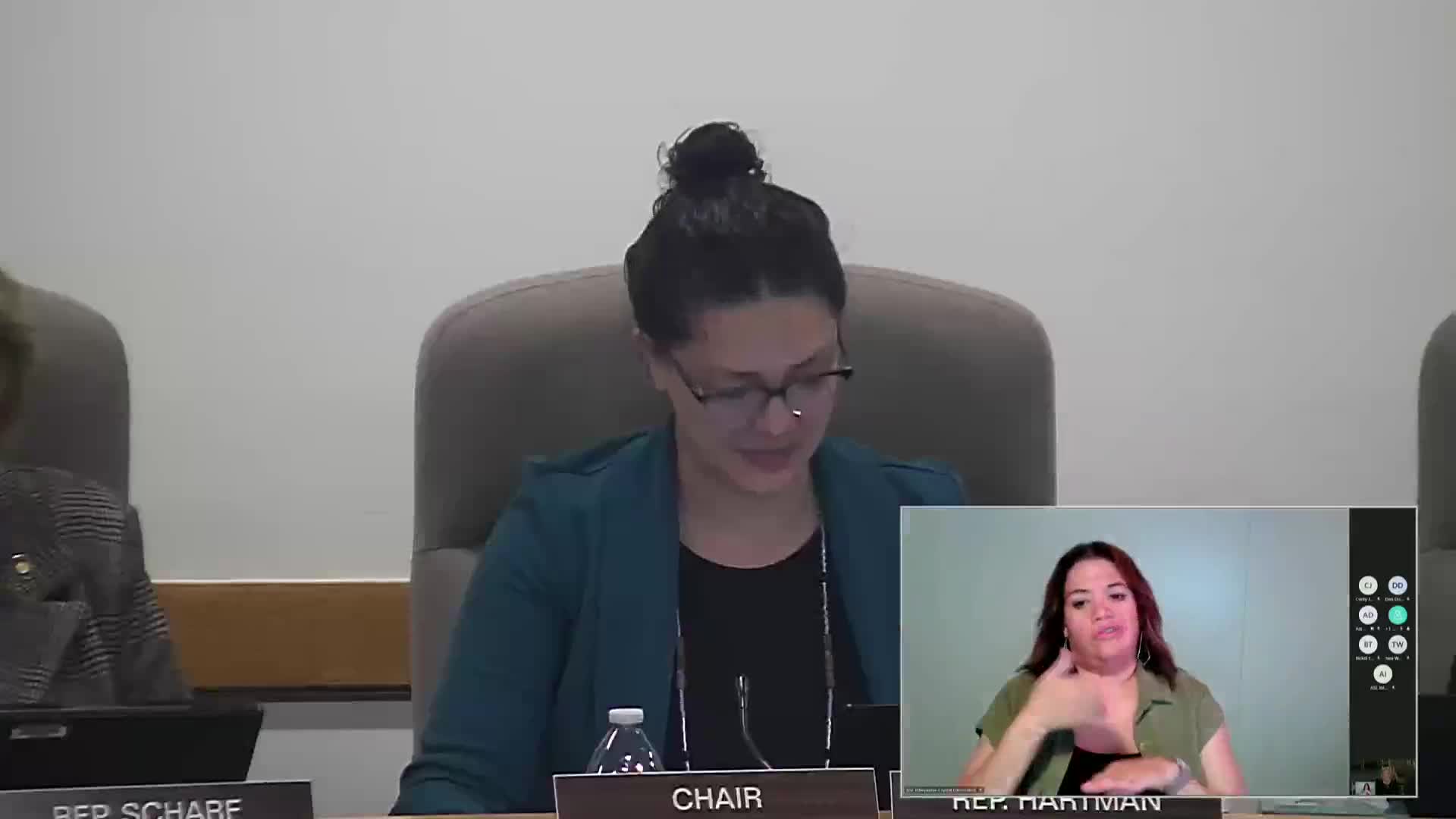
The House Committee on Early Childhood and Human Services heard testimony March 27 on House Bill 2374, which would authorize participating counties to implement the CARE program within the Oregon Youth Development Division and create a pilot pathway for school districts to refer families to local CARE teams.
CARE programs are collaborative, locally administered teams that provide long-term, bilingual and bicultural supports for families with children from birth through age 18. Testimony from Representative Bobby Levy, CARE Director Jenny Galloway, and Hermiston Superintendent Dr. Trisha Mooney presented CARE as a model targeting chronic absenteeism by addressing root causes — housing instability, transportation, mental health and family supports — and by providing in‑home visits and individualized student success plans.
Jenny Galloway, director of the CARE program in Umatilla County, said Oregon is facing an attendance crisis: ‘‘Oregon schools are educating 35,000 fewer students than prior to the pandemic,’’ she told the committee, citing Oregon Department of Education data presented in testimony. Galloway described CARE’s long‑running presence in Umatilla, Morrow and Union counties and said the model follows families over time rather than opening and closing short-term cases.
Dr. Trisha Mooney, superintendent of the Hermiston School District, said CARE helps families access health care, food, housing and school-based meetings and stressed local adaptation: “This program values local control, equity, and collaboration,” she said, urging lawmakers to authorize a statewide pilot that can be tailored to rural and urban needs.
Umatilla County Commissioner Cindy Timmons described judicial collaboration in the county; she referenced a local circuit court judge’s citation pathway that uses court interactions as a lever to reengage families with services rather than to punish them. Supporters argued CARE’s coordinated approach prevents cases from escalating into child welfare or juvenile justice involvement and preserves school enrollment and associated state funding for districts.
Sponsors said the bill’s dash 2 amendment would shift program administration to the Youth Development Division and create county opt-in authority tied to local partnerships. No committee vote occurred during the hearing; sponsors asked the committee to advance the bill for fiscal review.
What’s next: HB 2374 had a public hearing; committee members signaled support for further study and potential expansion subject to fiscal and implementation planning.