Get Full Government Meeting Transcripts, Videos, & Alerts Forever!
Get email alerts on the Wind Siting Threshold topic
No spam. Unsubscribe anytime.
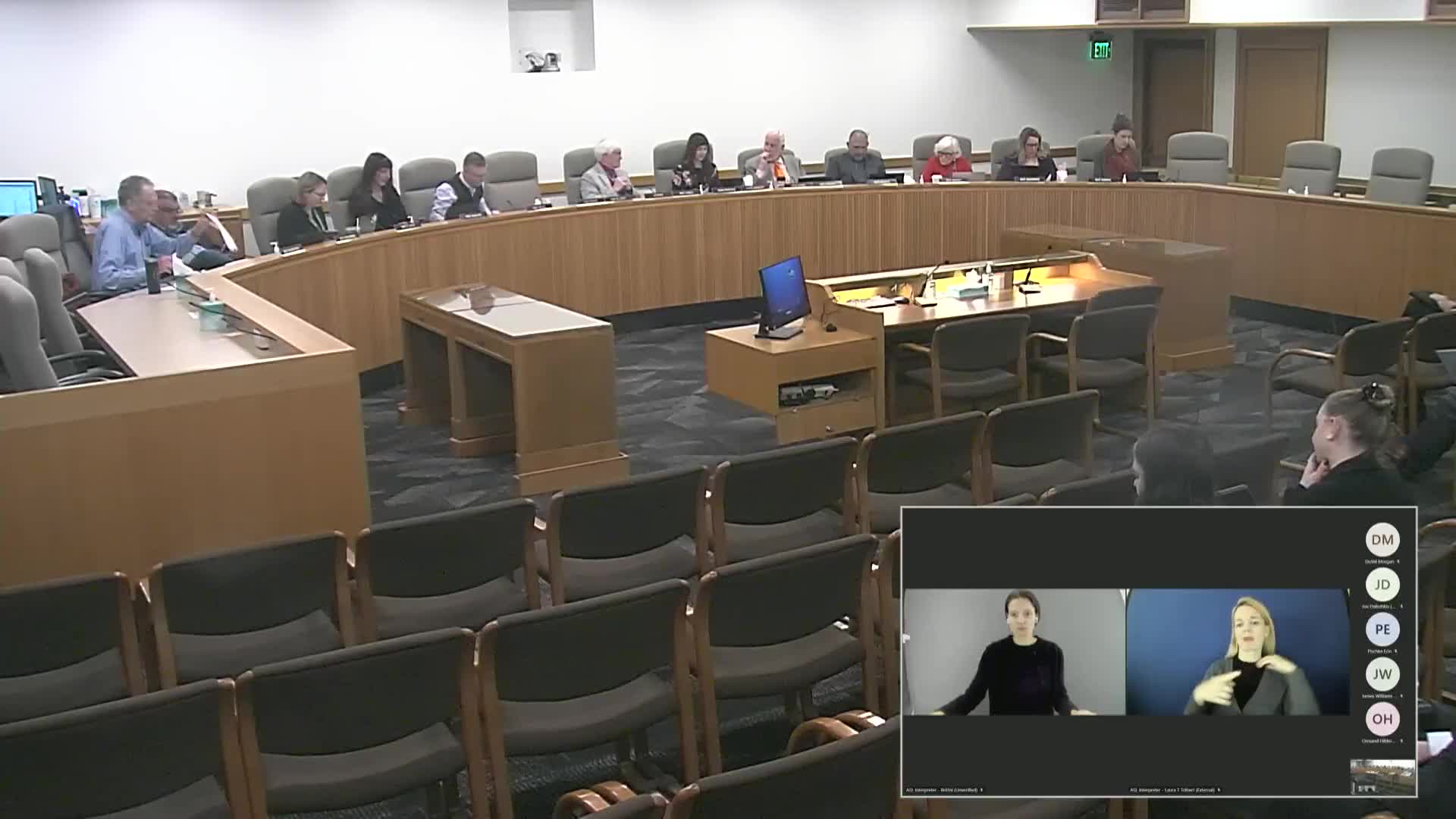
Committee hears testimony on raising local siting threshold for wind projects to 100 MW
Summary
House Bill 3874 would raise the megawatt threshold at which wind energy facilities must obtain a state site certificate from 50 MW to 100 MW, letting more projects be sited under county land-use processes; supporters cited improved turbine productivity and local control, while members asked about decommissioning and bonds.
The committee held a hearing on House Bill 3874, a proposal to increase the megawatt threshold for wind energy facilities that may be sited and permitted at the county level from the current 50 megawatts to 100 megawatts. Proponents told the committee the change reflects technological improvements in wind turbines that produce substantially more power per turbine than a decade ago, and that counties have experience processing such applications.
James Williams, executive director of the Community Renewable Energy Association and a county commissioner, testified in support and said modern turbines can generate far more output on the same footprint than earlier models; he described local governments as capable of handling larger projects and said increasing the threshold would allow counties to represent their communities effectively. Sherman County Judge Joe Dibulskis and other county officials testified that counties regularly handle siting for wind projects and can rely on decommissioning conditions or refer to the Energy Facility Siting Council (EFSC) if needed.
Questions from the committee focused on decommissioning and financial assurances. Representative Marsh raised concerns about ensuring decommissioning plans and bonds are sufficient to return land to original conditions after a facility’s life; witnesses said counties have begun imposing decommissioning requirements and that counties and organizations such as CREA are preparing guidance and experiences for counties lacking prior practice.
Supporters including Renewable Northwest said the bill strengthens one of the two siting pathways available to wind projects while preserving the option for counties and developers to defer to EFSC. Opponents did not appear in numbers during the hearing recorded in committee.
Ending: The hearing concluded with the committee having received testimony from county officials, industry representatives and renewable-energy advocates; the bill was available for future scheduling and potential referral.