Get Full Government Meeting Transcripts, Videos, & Alerts Forever!
Get email alerts on the Direct Support Professionals Wages topic
No spam. Unsubscribe anytime.
Providers urge automatic COLA after rate-and-wage study finds $558 million funding gap for direct support professionals
Summary
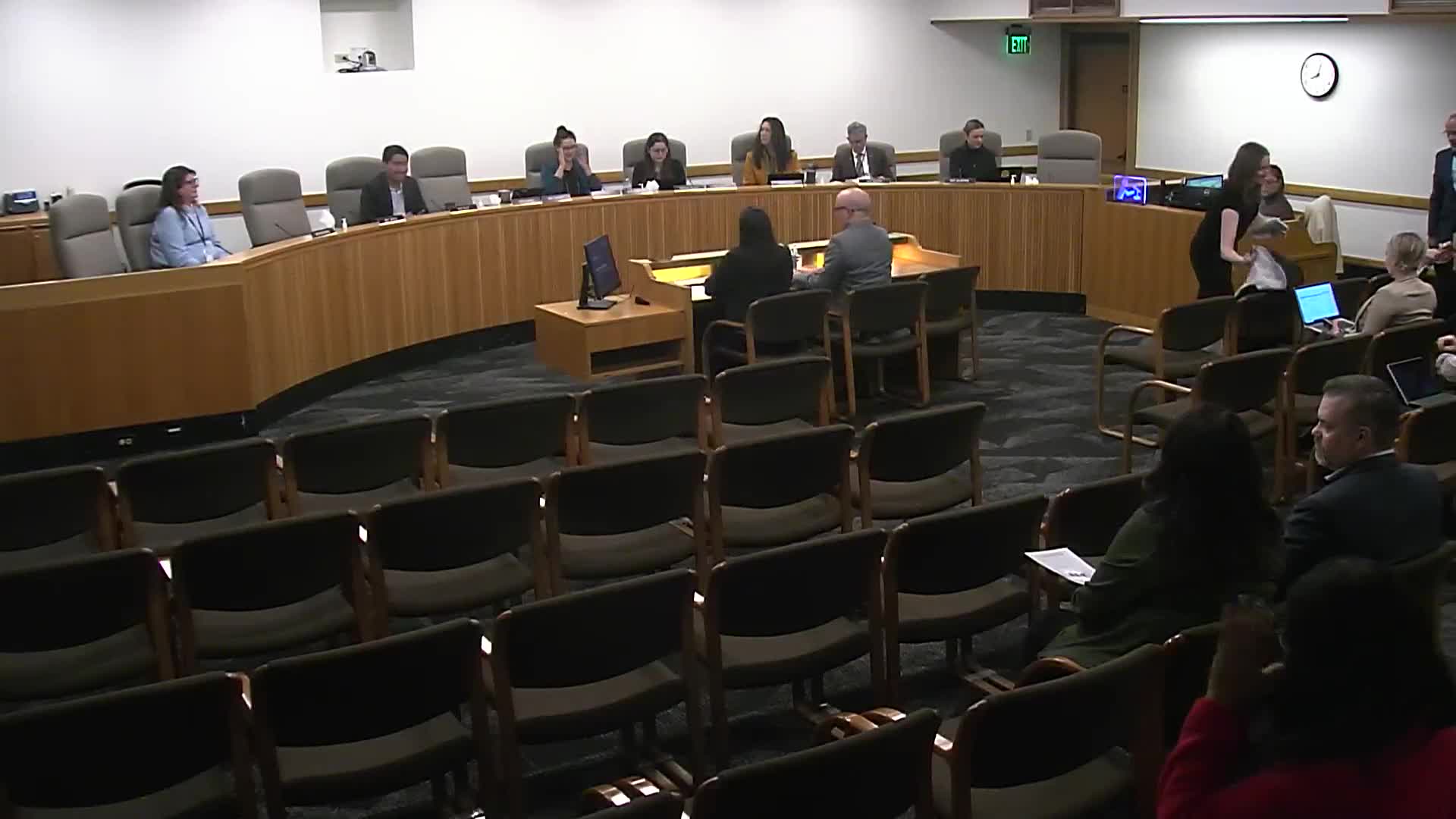
Oregon lawmakers heard testimony March 27 on House Bill 2150 after the Department of Human Services’ Office of Developmental Disabilities Services summarized a completed rate-and-wage study showing a large funding gap for direct support professionals.
Oregon lawmakers heard testimony March 27 on House Bill 2150 after the Department of Human Services’ Office of Developmental Disabilities Services (ODDS) summarized a statewide rate-and-wage study and existing rate models.
The study, completed for ODHS by a contractor, recommended updating ODDS rate models and reported an estimated $558,000,000 funding gap between current state reimbursements and the cost to deliver quality home- and community-based services. The study recommends agency rate models assume an average direct care worker wage of $23.20 per hour and estimated overall rate increases of roughly 30% from current funded rates.
The study and bill matter because ODDS’s current rate models use cost assumptions developed from data collected 2016–2019. Caitlin Shockley, policy manager for the Office of Developmental Disabilities Services, told the committee the rate models still assume a DSP wage of $18.38 per hour — “lower than what we know providers currently pay based on the results of that rate and wage study,” she said. Shockley summarized that the study recommends updating assumptions for wages, benefits, productivity and other service-specific costs.
Providers and nonprofit executives described operational strain and urged the committee to adopt an automatic inflator for rates. Joanne Furman, co-founder and chief executive officer of Partnerships for Community Living, said her nonprofit uses reserves to cover the gap and estimated she has “about four years left in reserves” at the current pace. Furman said her agency and others pay, on average, about $2.50 more per hour than the state-funded rate to remain competitive and avoid closures.
Amanda Dalton, testifying for the Oregon Resource Association, said the study is the first to quantify the funding shortfall and that the Dash 2 amendment to HB 2150 would tie eligible ODDS provider rates to the consumer price index (CPI) on an annual basis, with an agency determination by April 30 and a July 1 effective date to align with the state fiscal year.
Several nonprofit and regional providers — including Jill Sorensen of Catholic Community Services of the Mid Willamette Valley and Natasha Atkinson of Umqua Homes — described using reserves to cover payroll and urged passage of an automatic COLA. Atkinson said many DSP jobs require 24-hour care for people with complex medical and behavioral needs and that wages often leave workers eligible for public assistance programs such as SNAP and Medicaid.
Union and state worker representatives expressed concerns about equity and accountability. Courtney Graham, political director for SEIU Local 503, testified in opposition to HB 2150’s current form, saying an automatic COLA for agency providers could accelerate consolidation of for‑profit agencies and drive public dollars toward corporate profits unless increases are tied to auditable, worker-level compensation and cost reporting. Crystal Dujarnack, leader for SEIU Local 503’s home care membership, noted that many state personal support workers remain covered by collective bargaining and must bargain for increases; she urged parity so equal work receives equal pay.
Personal support workers and state employees also testified about perceived disparities with agency pay. Patty Falkenstein, speaking as a personal support worker, argued that awarding automatic COLAs to agencies while state-paid workers must bargain would be inequitable; she also cited social-media reports that some private agencies pay $26–$32 per hour.
Committee members asked the agency about which recommendations are included in the governor’s recommended budget. Justin Witham, ODHS government relations, said the governor’s recommended budget did not include the study’s agency-rate increases; he said a special purposes appropriation (SPA) in the governor’s budget targets collective bargaining for personal support workers but the broader rate-model updates from the study were not in the GRB because the study completed after the budget submission.
No committee vote occurred during this public hearing. Committee leadership closed the hearing and moved on to the next agenda item.
What’s next: HB 2150 was the subject of a public hearing; committee members signaled it would require substantial fiscal analysis and potential technical changes to address accountability for where increased funds are spent and to reconcile wages for state-paid and agency-paid workers.